




September 18, 2026

 Colleen Claggett/For PhillyVoice
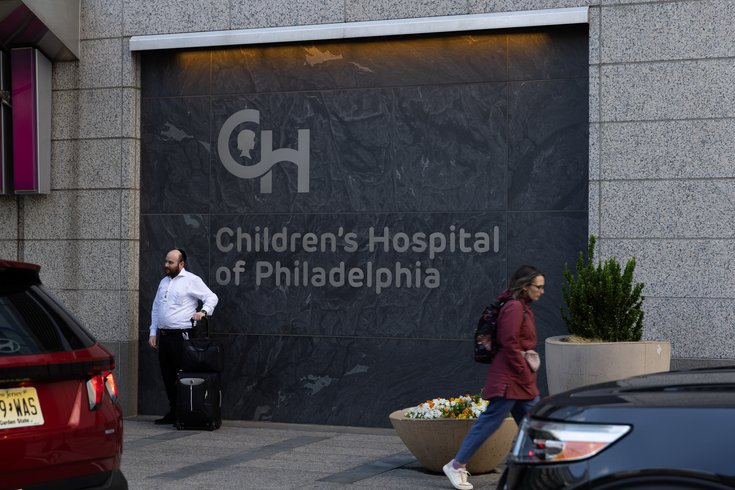
People at the Children’s Hospital of Philadelphia may have been exposed to measles on Friday, Sept. 11, health officials say. The possible exposures took place in the neonatal intensive care unit and other areas.
A possible measles exposure took place at the Children's Hospital of Philadelphia last week.
People who were in the Neonatal Intensive Care Unit and other areas of the hospital between 9:30 a.m. and 4:15 p.m. on Friday, Sept. 11 may have been exposed, the Philadelphia Department of Health said Thursday.
MORE: Gov. Shapiro blasts RFK Jr. for the CDC not counting Pennsylvania's measles-associated deaths
The following locations and times were identified as points of potential exposure:
• NICU West: 9:30 a.m. to 4:15 p.m.
• NICU West Family Lounge: 9:30 a.m. to 4:15 p.m.
• CHOP Atrium: 9:30 a.m. to 4:15 p.m.
• CHOP Main Cafeteria: 12:05 p.m. to 2:45 p.m.
CHOP is working with the Pennsylvania Department of Health and city health officials to ensure infants who were in the NICU at that time receive a "preventative antibody" to prevent or lessen the risk of severe disease.
Anyone who may have been exposed is encouraged to check their vaccination status and watch for symptoms. Early signs of measles include fever, runny nose, cough and red, watery eyes followed by a rash.
People are considered immune to measles if they were born before 1957, have had measles or have received two doses of the measles, mumps, rubella vaccine, health officials said. The first dose of the MMR vaccine is recommended to be given when infants are 12 to 15 months old. The second dose is recommended to be given between ages 4 and 6.
People who may have been exposed and are not protected from measles are recommended to get a dose of the MMR vaccine and to wear a mask in indoor public spaces and around anyone who is unvaccinated until three weeks after the possible exposure. Infants under 12 months, pregnant women and people with compromised immune systems may require different management after being exposed.
People who were at CHOP during the exposure period are advised to contact their doctors and local health departments if they develop measles symptoms through Oct. 2.
The exposure is unlikely to present a risk to Philadelphia at large, because the vast majority of the population is vaccinated, Philadelphia Health Commissioner Palak Raval-Nelson said in a statement.
"We encourage people to get vaccinated not only to protect themselves, but to protect those who cannot get vaccinated," Raval-Nelson said. "This is why it is imperative that everyone who is eligible gets up to date on the vaccines they need so we can protect our most vulnerable."
Measles is a highly contagious virus that spreads through the air when infected people cough, sneeze or talk. People who are not protected from measles can contract it by breathing in air up to two hours after someone with measles has left the area. Measles is contagious between four days before and four days after a rash develops.
The exposure warning comes as Pennsylvania grapples with its largest measles outbreak in decades. The state has reported 731 cases and 141 hospitalizations this year. Less than 1% of cases are among fully vaccinated people. Lancaster County accounts for 308 cases. Another 66 have been confirmed in Chester County.
Pennsylvania has reported four measles-associated deaths — the state's first in 35 years. Measles-related deaths are defined as those that occur within 30 days of the onset of symptoms from a lab-confirmed measles case and are not due to unrelated causes.
Gov. Josh Shapiro and Health and Human Services Secretary Robert F. Kennedy Jr. have publicly sparred over the outbreak. Shapiro has blamed Kennedy for spreading misinformation about the safety and efficiency of vaccines. Kennedy, in response, posted debunked claims that the vaccines contain fetal tissue and accused Shapiro of fabricating the deaths.
The Centers for Disease Control and Prevention has not listed any measles deaths in the country this year, saying it is still reviewing the cases in Pennsylvania.
Shapiro told CNN on Wednesday that Pennsylvania will not accept federal funding to combat the outbreak until the CDC includes the deaths in the national count.
"We will be happy to accept additional support to deal with this crisis," he said. "But I'm not going to accept that until RFK does what is right and stops reaching down into his administration and directing the CDC staff not to acknowledge the pain and suffering of these four families in Pennsylvania, and acknowledge those deaths."