





September 04, 2026

 Jay Calderon/USA Today Network via Reuters Connect
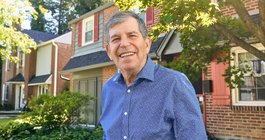
Tommy John's willingness to embrace change fueled a healthy, successful life, and is a lesson for everyone looking to live healthier. Above, the former baseball star, who is known for the surgery that bears his name, poses for a photo in 2019.
The death of baseball legend Tommy John at 83 has renewed attention on the revolutionary 1974 surgery that reconstructed his elbow and now bears his name. More than 2,600 big leaguers are estimated to have had the surgery in the decades. It's now so common that, in 2023, about 35% of active MLB pitchers had undergone Tommy John surgery at some point in their careers, the American Medical Association noted. Contemporary stars including the Dodgers' Shohei Ohtani and, among non-pitchers, the Phillies' Bryce Harper have undergone Tommy John surgery.
What made John's surgical journey so notable was not only the operation itself, but his performance on the field afterward. He famously won more games (164) after his surgery than he did before it (124). His success demonstrated that a major life crisis or physical breakdown does not have to mean the end of high performance.
John's story also provides another compelling case study in male longevity, adaptation and the disciplined habits that can help men extend both performance and purpose. John is tied for sixth among all players for the most seasons played in MLB history, having appeared in 26 seasons from 1963 to 1989. He was 46 when he retired, and though that does not place him among MLB's all-time oldest players, it is still considerably above the MLB average for pitchers, which is estimated to be in the mid-30s.
How was John able to bounce back from his injury and remain effective for so long? He methodically carried out a well-executed physical regimen, complemented by a deliberate change in his pitching approach. In short, he embraced change, committed himself to physical well-being, and adapted to his circumstances — tactics drawn directly from the men's health playbook and adaptable for all men.
Rather than over-relying on his upper body, John's physical routine was anchored heavily in intense leg work, discipline and daily rehabilitative habits. It is reported that, at 43, he began lifting weights daily, even on days when he would pitch. More generally, John maintained an exceptional level of overall physical conditioning that carried him across four decades. He also succeeded because he adapted to his changing circumstances rather than resisting them.
Lacking a blazing fastball as he aged, John developed exceptional control, movement and speed changes to remain competitive, using his brain as much as his arm. He relied on sinkers and ground-ball mechanics rather than high-velocity fastballs to reduce chronic wear and tear on his arm.
When his baseball career finally ended, John pivoted again and leveraged his baseball knowledge to land broadcasting jobs with several teams. From there, he made another pivot into the coaching ranks, working for several minor league franchises. Though John will forever be remembered for his groundbreaking surgery, his ability to adapt to changing circumstances and his embrace of healthy habits certainly contributed to the longevity he, and his fans, enjoyed.
In recent weeks, I've offered three examples of older men — Dr. John Chovanes, Sal Paolantonio and now Tommy John — who seized life with energy and intention, building a platform of healthy habits and supportive relationships to power lives of success and longevity. That said, if you're thinking, "I'm not a trauma surgeon, sports reporter, or major league pitcher so why should I put in all this effort to change the way I live," think again.
Men face unique health challenges, including higher rates of cardiovascular disease, certain cancers and lower health-care-seeking behavior. These risks are often linked to lifestyle factors such as poor diet, inactivity, smoking, excessive alcohol use and delayed medical care. By living healthier, men can reduce the risk of chronic diseases like heart disease, stroke, COPD and diabetes. A stronger lifestyle can improve longevity and quality of life by helping men maintain physical and mental function into older age, and it can help close the gender gap in life expectancy, which is about four to six years shorter for men than women in the United States.
That is a strong case for healthy living, and we have not even touched on a man's ability to maintain vibrant social relationships with a spouse, children or grandchildren, and the fulfillment those relationships can bring. Research shows that regular exercise and a healthy diet can strengthen personal relationships by reducing stress, improving mood and enhancing overall well-being. These factors can make men more emotionally steady, communicative and socially engaged — all critical for healthy, long-lasting relationships.
For men over 50, longevity is about extending healthspan — living longer while staying healthy and active — rather than just increasing lifespan. The key is to counteract age-related declines in muscle, bone, cardiovascular and metabolic health through evidence-based habits.
Stanford Medicine recommends strength training to offset the normal declines of 1% to 3% per year that occur in men over 40 and accelerate in their 50s. Dr. Annu Navani, chief medical officer at Boomerang Health Care in California, says that resistance training — squats, deadlifts, pushups, lunges — two to three times weekly can preserve strength, balance and metabolic rate. Her suggestion is to think of exercise as a "savings account" for future mobility and independence.
Harvard University Health says that lifestyle adaptation is one of the most powerful tools men can use to extend their healthspan. Though genetics and biology influence lifespan, lifestyle choices can have an equal or greater impact on how long and how well men live. Harvard cites five consistent lifestyle patterns that support healthspan: movement, nutrition, sleep, stress reduction and social relationships.
Movement, including regular physical activity such as 150 minutes of moderate aerobic exercise plus resistance training, improves cardiovascular health, muscle strength and brain function. Nutrition in the form of a plant-based, whole-food diet rich in fruits, vegetables, whole grains, nuts, seeds and legumes supports metabolic health and reduces inflammation. Quality sleep supports immune function, mood regulation and recovery. Stress reduction through mindfulness, relaxation or social support lowers cortisol and reduces disease risk. And strong social relationships improve mental health and resilience.
For men, lifestyle adaptation is not just about living longer — it is about living better. By integrating movement, healthy eating, quality sleep, stress management and social connection into daily life, men can significantly extend their healthspan, maintain independence and enjoy more years of active, fulfilling life.
Though Tommy John had the courage to undertake revolutionary surgery that extended his career, and subsequently the careers of thousands of major league players, he also embraced change in his pitching style and adopted new personal habits. Together, these tactics brought him success, gave him a place in baseball history, and afforded him a fulfilling post-baseball career.
Though his name will forever be associated with his surgery, a closer look at his life reveals an approach that aligns with other successful men and their adoption of key tactics from the men's health playbook. It is a story that should inspire every 50-plus man to take hold of his own destiny.
Louis Bezich, chief of staff to the co-CEOs at Cooper University Health Care, is author of Saving Men From Themselves: 20 Proven Tactics with a New Approach to Healthy Living for Men Over 50," and "Crack The Code: 10 Proven Secrets that Motivate Healthy Behavior and Inspire Fulfillment in Men Over 50." Read more from Louis on his website.