






November 05, 2026

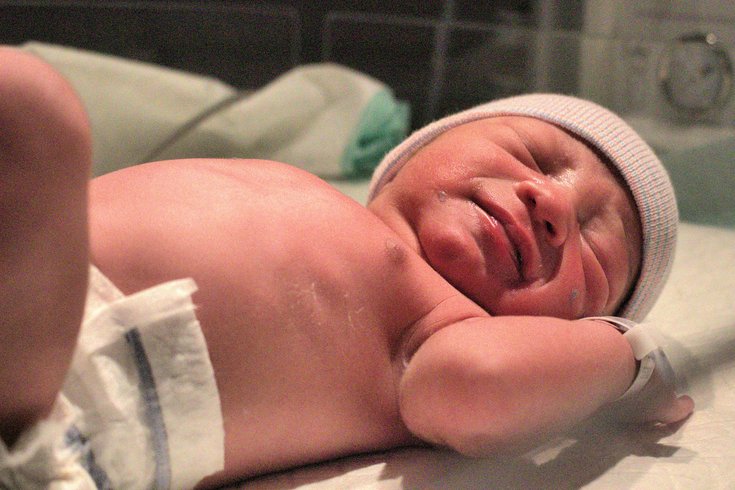 Marcus Goodman/Pexels
More babies are at risk for bleeding because more parents are refusing to get them recommended vitamin K shots at birth, studies show.
The findings of two new studies underscore fears that parents' increased refusal to give their infants vitamin K shots at birth has led to a sharp increase in bleeding among infants.
Since the 1960s, the American Academy of Pediatrics has recommended all infants receive vitamin K shots within 24 hours of birth to protect against bleeding that can occur as a result of vitamin K deficiency. The shots prevent vitamin K deficiency bleeding within the first day to first week of life, helping the blood to clot and lowering the risk of intracranial hemorrhaging and stroke.
MORE: 'Grey's Anatomy' star Eric Dane's details his battle with ALS in posthumous memoir
The World Health Organization and other leading health authorities also recommend the shots, because little vitamin K is transferred through the placenta, and breast milk and formula do not contain sufficient vitamin K. Those factors, combined with the fact that babies do not start producing their own vitamin K until eating solid food around 6 months, make the shots necessary.
Vitamin K shots are safe and recommended by the Centers for Disease Control and Prevention. They are prophylactic and are not considered vaccines.
But a growing number of parents have been refusing the shots for their newborns "against the backdrop of eroding trust in public health in the wake of the COVID-19 pandemic, increasing vaccine hesitancy, and growing parental unease about interventions in newborns," according to one of the new studies, published Thursday in JAMA Pediatrics.
The researchers analyzed electronic health data for more than 11 million infants born in the United States between 2017 and 2025. They found that the number of infants who did not get the shots doubled during the study period. At the same time, bleeding as a result of vitamin K deficiency rose by 347% to 107.4 cases per 100,000.
The second study, published Thursday in JAMA, examined data from more than 5 million infants. The percentage of newborns who did not get vitamin K shots increased from 3.1% in 2017 to 6.8% in 2025. Infants who did not receive shots had significantly higher bleeding risk at 6 months than those who received the shot.
"We've gone generations without seeing this kind of increase in complications," Steven Woolf, a professor of family medicine and population health at Virginia Commonwealth University and a co-author of the JAMA Pediatrics study, told the Washington Post. "It's very disheartening to see that progress in public health rolling back."
Woolf and the other researchers noted in the study: "As with childhood immunizations, vitamin K prophylaxis may be a victim of its own success; the rarity of (vitamin K deficiency bleeding) may leave today's families largely unaware of its grave consequences."
In response to an investigation ProPublica published last May showing that babies were bleeding and even dying after parents refused vitamin K shots, lawmakers called on the CDC to track vitamin K compliance and deaths from vitamin K deficiency bleeding and to make the information publicly available.