




January 23, 2026

 Daniel Craig/For PhillyVoice
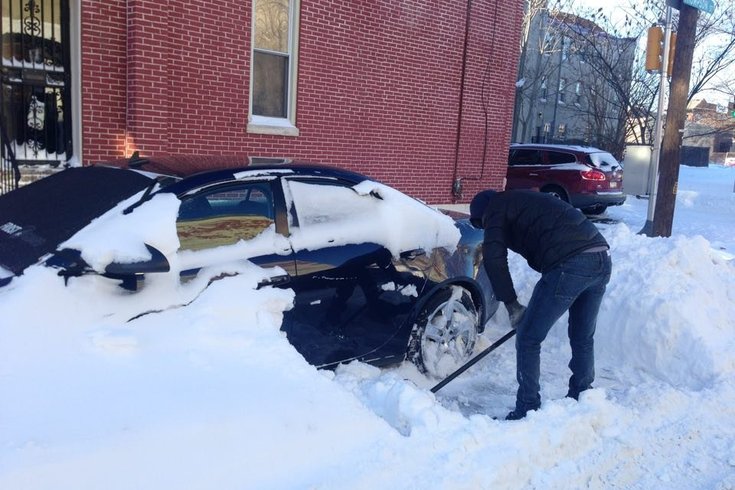
Shoveling heavy snow increases the risk of heart attacks for many people. A local cardiologist advises people to listen to their bodies and not to ignore symptoms that may indicate a heart problem.
Heavy, wet snow has been dubbed "heart attack snow" by meteorologists – and with good reason.
The American Heart Association warns that shoveling heavy snow increases the risk of sudden cardiac arrest for many people. A study published in 2011 found nearly 200,000 U.S. residents were treated in emergency departments for snow-shovel related injuries between 1990 and 2006. Nearly 1,650 cardiac-related deaths were recorded during that time.
A Canadian study found storms that dump at least 7-8 inches of snow increase the risk of men being hospitalized for heart attacks by 16% and dying from them by 34%.
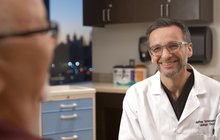
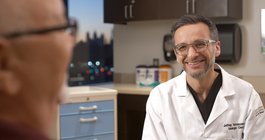
So why is shoveling snow so dangerous for the heart? Dr. Benjamin Rosenfeld, a cardiologist at Jefferson Einstein Montgomery Hospital, offered some insight earlier this week.
Some responses have been edited for length and clarity.
PhillyVoice: Why do adverse heart events happen when people shovel?
Benjamin Rosenfeld: "For people who are typically sedentary or minimally active in their normal daily lives, they may be then prompted to go out and shovel snow – because they're obligated to clear their driveway or their sidewalk – which is a substantially more intense physical task than what they would normally encounter. And so it may just be the intensity that then could unmask some cardiac disease that has been brewing prior to that.
"The other component is that the cold, dry air can cause vasoconstriction, which is a tightening of the blood vessels. This puts more strain on the cardiovascular system and on the lungs for people that have pre-existing heart or lung disease.
"I think it's those two factors together that cause that uptick in heart attacks that we see every time there's a big snowfall."
PV: Are healthy, fit people also at higher risk of heart attacks from shoveling?
BR: "Shoveling snow is a defined task that you're trying to accomplish. It's not like you're getting on the treadmill, and you're going to exercise until you feel tired, and then you're going to stop. When people go out to shovel snow, they feel, at least mentally, like, 'OK. I'm not going to stop until I finish shoveling the snow.' They may exceed what is really safe or comfortable for their body (regardless of) whatever health condition they are in to begin with."
"So no one is totally immune to the risk (of a heart attack). But someone who exercises regularly and maintains a healthy weight and a healthy blood pressure – and doesn't have any significant cardiovascular risk factors – they would obviously be at much lower risk.
"The people that are at significantly elevated risks are going to be the people that have pre-existing heart or lung disease and people with risk factors for heart disease, such as high blood pressure, diabetes, cigarette smoking."
PV: What advice would you give people who are heading out to shovel snow?
BR: "My advice — especially for patients that have those risk factors or have pre-existing cardiac disease — is to either hire someone or have a younger family member who's otherwise healthy help them.
"My biggest advice, too, is that you shouldn't ignore symptoms. Sometimes things happen completely out of the blue. But usually there are some warning signs, and people have a habit of either ignoring it or thinking, 'Oh, it's just my heartburn.' Or, 'I didn't sleep well last night.'
"So listen to your body. If your body is telling you that something's wrong, then take that seriously and talk to your doctor about it."
Harvard Health offers additional tips to avoid health issues when shoveling snow:
• Warm up your muscles before starting.
• Shovel many light loads instead of fewer heavy ones.
• Take frequent breaks.
• Drink plenty of water.
• Don't feel that you need to clear every speck of snow from your property.
• Head indoors immediately if your chest starts hurting, you feel lightheaded or short of breath, your heart starts racing, or some other physical change makes you nervous. If you think you are having a heart attack, call 911 or your local emergency number.