





December 18, 2025

 Oleg Magni/Pexels
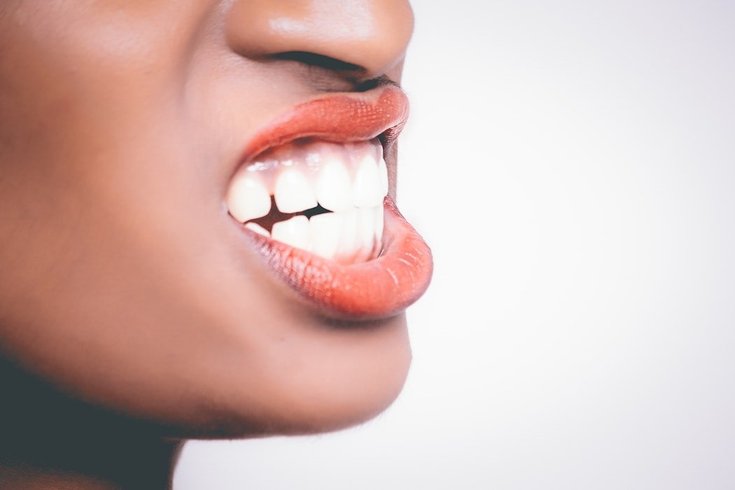
People who persistently grind their teeth or clench their jaw, asleep or awake, are often unaware of it. Headaches, pain in jaw muscles and tooth sensitivity can be signals of the condition, also called bruxism.
If you're waking up with banging headaches or your partner tells you that you're making clacking sounds when you sleep, you might be grinding your teeth.
The formal name for teeth grinding is bruxism, and it refers to everything from clenching the jaw to gnashing the teeth. It can cause headaches, tooth erosion, tooth sensitivity and face and jaw pain. Bruxism can even lead to ringing in the ears, tooth fractures and difficulties opening and closing the mouth.
"People are usually unaware of the condition," Dr. Subha Giri, a dental sleep medicine expert at the Mayo Clinic, told The Guardian in October. Often, people who grind their teeth at night are told "by caregivers or bed partners who hear grating, tapping or clicking sounds."
Bruxism can occur during waking hours, too.
People may start to grind their teeth and clench their jaw repetitively without awareness when feeling stressed and anxious. Having depression and other mental health disorders also puts people at higher risk of bruxism.
Smoking and drinking alcohol and caffeine on a regular basis are other risk factors.
Repetitive teeth grinding at night has been linked with sleep disorders, such as sleep apnea, and with Parkinson's disease, dementia and gastrointestinal reflux disorder, the Mayo Clinic says.
People who tend to chew their lips or cheeks, or who like to chew gum, are more likely to have bruxism – as are people who have aggressive, competitive or hyperactive personalities. Selective serotonin reuptake inhibitors and other types of antidepressants also increase the risk of bruxism.
Teeth grinding also tends to run in families.
Because stress and anxiety can cause bruxism, regular exercise, relaxation techniques and cognitive behavioral therapy can help, the Cleveland Clinic says.
Another common treatment is an occlusal splint, otherwise known as a night guard. It's an appliance people wear at night on the upper or lower jaw, or both. Night guards protect the teeth and may be used to help alleviate head and jaw pain.
Over-the-counter night guards are available, but it's best to visit a dentist for a custom-fit one, Dr. Kami Hoss, an orthodontist, told Good Housekeeping in 2024. "I never, ever recommend an over-the-counter night guard," Hoss said. "I would absolutely want to get a custom-fitted one, since you're going to wear this in your mouth for hours at a time."
Custom guards can be expensive. People who can't afford them can reach out to dental schools or look for a federally-qualified health center, Hoss said.
Sometimes doctors prescribe muscle relaxant medications for people with severe bruxism. Botox injections into jaw muscles to alleviate tension and pain may be prescribed, but this treatment can be costly and typically needs to be repeated every three to four months, the Cleveland Clinic says.