



December 26, 2025

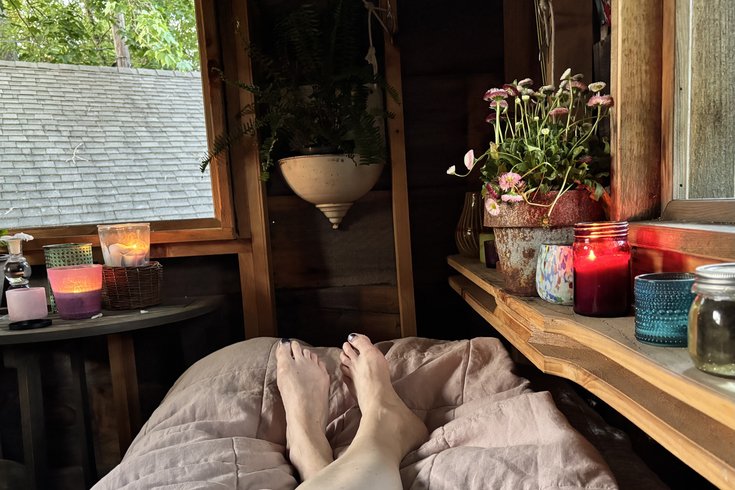 Courtenay Harris Bond/Philly Voice
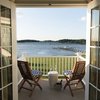
Giving myself permission to nap, often in my treehouse sanctuary, is one of the top five steps I took in 2025 that improved my life.
As a health writer, I've discovered that research points to the Mediterranean diet for lowering the risk of heart disease and cancer, improving metabolic and brain function, and increasing longevity. But going Mediterranean means eating lots of vegetables, and I have never met one that I like.
In 2025, though, I made a few strides toward a better diet — and improving my overall physical and mental health. Taking a look back, here's what I learned.
I've been on a medication for years that has the unfortunate side effect of being constipating. I won't go into too much detail, but in 2025, I finally discovered that mixing Grape-Nuts on a daily basis into my Greek yogurt – also beneficial because of its high-protein content – really helps. Research shows that fiber is linked to better bowel health, lower cholesterol and blood sugar levels, healthier weight and longer lifespan. It doesn't have to be Grape-Nuts, but adding more fiber-rich foods into your diet might make you happier and healthier.
I'm not going to finish this cliché with "...don't say anything at all." Sometimes, I've found, that's impossible. But I used to err in the opposite direction, abiding by Dorothy Parker's famous remark, "If you don't have anything nice to say, come sit by me." Professor Buzkill actually attributes the quote, which has various versions, to Alice Roosevelt, the oldest daughter of President Theodore Roosevelt. But precisely who said exactly what is immaterial to my point, which is that I've found complaining doesn't actually provide much relief. Often, I feel angrier and more resentful after I gripe.
I have tried, instead, in 2025 to press pause when one of my many critical thoughts crosses my mind. When I'm feeling enraged with someone or something, or just plain gossipy, I've been trying to distract my brain by repeating the Serenity Prayer. Sometimes I resort to singing "Men of Herlech," a patriotic Welsh tune that for some reason I learned at middle school summer camp. The Ho’oponopono forgiveness prayer was easy to memorize and makes me feel better when I repeat it over and over. Here's how it goes: "I'm sorry. Please forgive me. Thank you. I love you."
I'm not going to say too much about this because I recently wrote a story about light therapy that needs more clicks. But if you're one of the approximately 10 million people in the United States who has seasonal affective disorder, you might want to buy a light box and use it correctly. I have finally dedicated myself to this practice every morning while I drink my coffee and scan my emails, and I've been feeling less down. I'm using my light box as I write this now.
I grew up during the 1980s when carpooling still existed, and parents and caregivers took turns driving station wagons full of unseatbelted kids, some crammed into the "way-back," to and from gymnastics and soccer. My parents also enrolled me in middle school summer track, even though I felt like I should be able to lie around after all those months of bustling about.
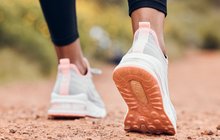
It turns out that running was transformative for me. I wasn't super fast or competitive, but I quickly learned that running helped alleviate the anxiety that had plagued me from a young age. I have been running even since.
But several years ago, I hit a wall. I had no energy or motivation. Perimenopause symptoms were probably contributing to my dip. Luckily, some of my energy returned in the spring, and I began heading out again really slowly, waddling more than running, gradually adding time and distance. My hip hurts like hell, but on the days I run, my mood lifts.
It doesn't have to be CrossFit, but finding a physical activity you enjoy that you can try to get into a habit of doing on a regular basis may improve your daily life. On the days you don't do whatever it is, though, don't beat yourself up.
Napping is one of the ways I soothe myself, but every therapist I've ever seen for depression and anxiety has encouraged me to nap less. While it's counterproductive to nap so much that you're sleeping more than you're awake in a day, research does show that power naps of 30 minutes or less may decrease blood pressure, improve alertness and boost productivity. But in 2025, I've learned that when I let myself nap for as long as I want to — when I need to, without judging myself — I'm more apt to get up sooner and move forward with my day. So if you feel like taking a snooze, you have my permission.