


April 21, 2026
 Michaela Althouse/PhillyVoice
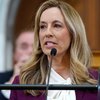
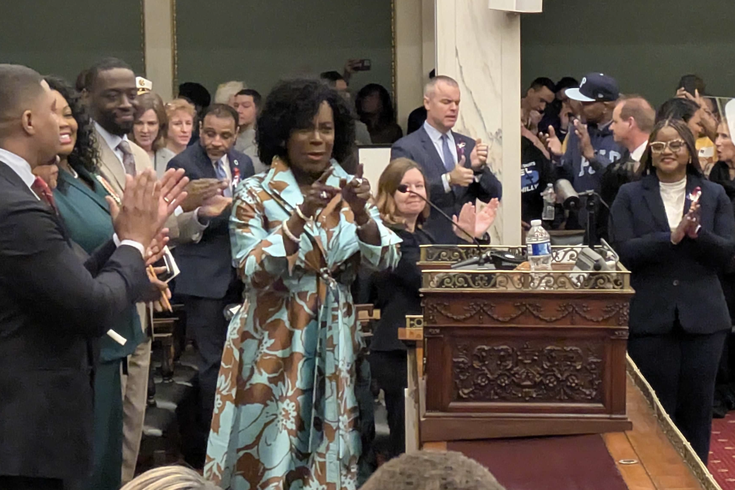
Mayor Cherelle Parker, pictured above last month, has proposed a $1 tax on all rideshare trips in city limits that would raise roughly $50 million annually for the School District of Philadelphia.
While Mayor Cherelle Parker has touted her proposed tax on rideshare services as a way to restore essential funding for city schools, opponents raised concerns Tuesday about how the fee would impact Uber and Lyft riders and drivers.
From teachers to Big Tech advocates, dozens of people attended the hearing at City Hall to weigh in on the budget ordinance that would levy a $1 fee on all rideshare trips in city limits to raise roughly $50 million annually for the School District of Philadelphia.
MORE: Haverford High School's Leon Smith named National Teacher of the Year
Introduced last month, the budget amendment is part of Parker’s plan to chip away at the $300 million structural deficit faced by the school district. If the tax is approved, Parker said the revenue would be enough for the city to retain all 340 school-based jobs it had planned to eliminate.
Priyanka Reyes-Koura, a K-12 education policy director with Children First PA, spoke before City Council's Committee of the Whole in support of the tax, calling it the “bare minimum” to address the budget shortfalls.
“Philadelphia students have already endured enough disruption,” she said. “When they need consistency the most, we’re preparing to take it away … 340 school-based staff positions are at risk of being cut, and these are not abstract numbers. These are teachers, counselors and climate staff who our kids see every day.”
The school district has also proposed enacting major changes to its footprint by closing 17 schools, modernizing 169 and merging six others to better allocate its resources as enrollment dwindles.
Bianca Reyes, principal of Julia de Burgos Elementary School in North Philadelphia, was one of several school administrators who spoke about the shortages the district is already facing, making the preservation of those threatened positions even more imperative.
“How can students get the attention they deserve?” she said. “We are losing the people who help keep children safe, build relationships and de-escalate conflict daily in a community impacted by poverty, trauma and the opioid crisis. We need more support, not less.”
However, Barb Shelley of POWER Interfaith, a faith-based coalition, expressed concern that the rideshare fee is only a stopgap solution.
"If taxes are the best you can do this year to preserve essential jobs in the schools, then so be it," she said. "But taxes on Uber and Lyft rides and retail deliveries seem like a desperate, inadequate patch on a tear that will continue to widen without a bigger fix."
Since Parker introduced the plan last month, Uber has waged a robust campaign opposing the fee, calling it a “regressive double tax” that will impact its drivers and everyday residents. Notifications were also sent to Philly-area Uber users Monday evening titled “Urgent: Stop the $1 tax,” imploring them to speak out against the ordinance at Tuesday’s meeting.
Angeline Jefferson, public policy manager with Lyft, said that while the company recognizes the severity of cuts the school district faces, imposing a tax on its services is the wrong way to fix it.
“These riders and drivers depend on every dollar of earnings and depend on consistent ride volume to earn,” she said. “When a tax-driven fare causes riders to reduce their trips, drivers absorb those losses directly. This ordinance would reduce earning opportunities for the very constituents this council aims to support, and it will not solve the underlying problem.”
Lyft posted an online petition for its users to ask council members to oppose the tax, saying it will make it “significantly more expensive” to hail rides around the city. Parker has said that Uber and Lyft can choose to absorb the $1 charges, but both companies said the cost will be passed on to consumers.
“We heard from a representative from Lyft today who expressed concern about the low-income residents in Philadelphia,” said Elena Lynn, of Northwest Philadelphia. “So, I would welcome and encourage them to absorb the tax as they can afford to do. This sends the message to our kids that we care about them.”
Disclosure: Uber is an active PhillyVoice advertiser. This story was produced independently by the PhillyVoice editorial team.