





November 17, 2026

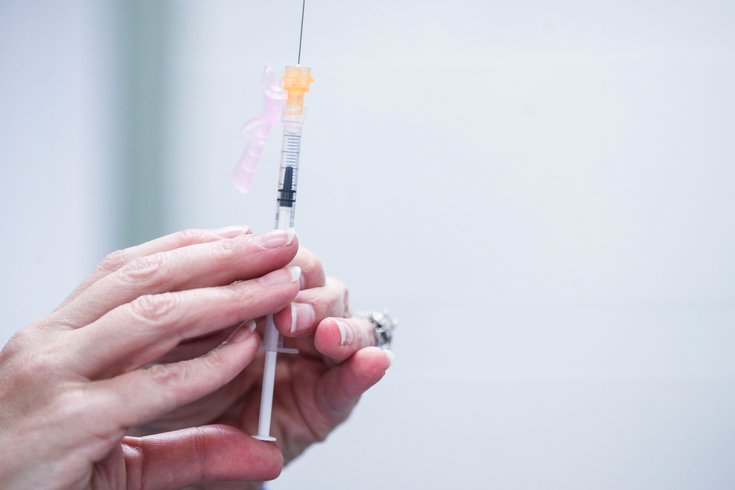 Matt Stone/USA TODAY Network via Reuters Connect
Flu shots are safe and provide the best way to protect against influenza, health experts say.
Flu season has started early locally and nationwide, and cases are beginning to spike, data show.
There have been eight flu-related deaths reported in Pennsylvania and two in New Jersey so far this flu season. Although activity for Influenza A and Influenza B in Pennsylvania were listed as at low levels on Nov. 7, the most recent data available, the state health department reported that both strains were "increasing rapidly."
MORE: Flu shots show early promise as a potential skin cancer treatment
The New Jersey health department's dashboard notes that flu activity is at "higher than levels observed at this time last year." Hospitalizations are increasing, with older adults mostly impacted.
"This early-season influenza activity is currently higher than typically observed at this time of year but an earlier increase in activity does not necessarily lead to a higher seasonal peak or greater overall severity," the Centers for Disease Control and Prevention says on its FluView surveillance tracker for the week ending Nov. 7.
Dr. Noora Siddiqui, who practices family medicine at Jefferson Health, told WHYY that people in Philadelphia were becoming "sicker sooner."
More than 10,000 flu cases were reported to the Pennsylvania Health Department between Oct. 4 and Nov. 7. There were 1,219 adults and 184 children admitted to hospitals for flu-related illness during October, with 464 of the adult admissions and 109 of the pediatric admissions coming during the last week in October, according to the health department.
In New Jersey, there have been nearly 8,800 reported flu cases between Oct. 4 and Nov. 7, including 3,572 cases in the week ending Nov. 7. The flu is causing 2.2% of emergency department visits, up from less than 1% in late October.
Dr. Christina Melchionne Miseo, a pediatric emergency medicine physician at Atlantic Health Morristown Medical Center, told NJ.com that the annual surge in respiratory illnesses arrived "three to four weeks earlier than last year."
Nationwide, more than 9,500 people across were hospitalized for flu the week ending Nov. 7, bringing total hospitalizations up to 36,000. The CDC estimates that there have been 2.6 million cases of flu and 2,100 deaths associated with flu so far this season.
The CDC said 3.2% of visits for outpatient clinics were for respiratory-related illnesses, up from a baseline of 2.9% for the week ending Nov. 7. The CDC also had two more reports of children dying from flu-related causes last week, bringing the total pediatric deaths up to five this season.
"It is too early to know what viruses may predominate or to say whether there might be implications on flu vaccine effectiveness this season," the CDC reported.
Even though flu season has started early — and September and October are the ideal times to get vaccinated — it is not too late to get a flu shot. The American Medical Association recommends that everyone 6 months and older get a flu vaccine.
The flu shot is safe, and people cannot get the flu from the vaccine. It helps protect against the flu and reduces the severity of symptoms if people get sick, the AMA says.
The Philadelphia Department of Public Health emphasizes that people at risk of severe complications from flu particularly need to get flu shots. Some children 8 and younger may need two flu shots this year, the health department says.
People with health insurance can make appointments to get flu shots with their primary care doctors. The Philadelphia health department has a primary care finder tool on its website. Most pharmacies, including CVS and Walgreens, also offer flu shots.
People who do not have health insurance are eligible to get flu shots at one of the city's health centers, preferably by making an appointment. People may visit these clinics during certain walk-in hours. Proof of Philadelphia residence is required.