




September 21, 2026

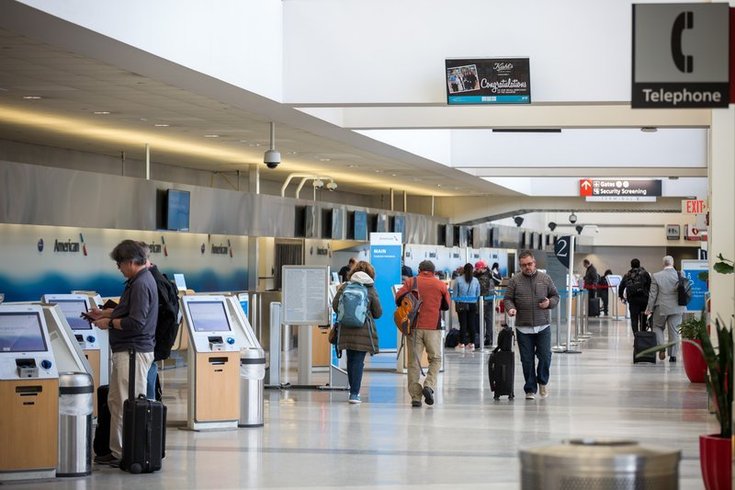 Thom Carroll/For PhillyVoice
Philadelphia health officials reported a measles exposure took place at the Philadelphia International Airport on the night of Sunday, Sep. 13. Above, a file photo of the airport.
Travelers who were in the Philadelphia International Airport on the night of Sunday, Sept. 13, might have been exposed to measles, the Philadelphia Department of Public Health said.
A person with the contagious viral disease traveled at Terminals B and F, and walked through areas of Terminals C, D and E to get to those locations. Health officials said the exposure took place from 7:25 p.m. Sep. 13 to 12:05 a.m. Sep. 14. The person was passing through Philadelphia and did not leave the airport.
The city's health department said this exposure is separate from an incident reported Friday, Sept. 11, in the neonatal intensive care unit at the Children's Hospital of Philadelphia.
"(These) measles exposures are a reminder of how important it is for all of us to be up to date on our vaccinations," Health Commissioner Palak Raval-Nelson said in a statement. "Every Philadelphian who is fully vaccinated has little to fear from the situation at CHOP and the airport. Even more importantly, every one of those people is doing their part to help protect our most vulnerable from measles."
Measles is highly contagious and spreads when people cough, sneeze or talk, and those who aren't vaccinated can contract it up to two hours after someone with the disease has left the room. Symptoms include fever, runny nose, cough, red and watery eyes and rashes. In severe cases, it can cause brain infection or death.
Anyone who may have been exposed has been asked to watch for symptoms and check their vaccination status. People are generally considered immune if they were born before 1957, have received two doses of the measles, mumps and rubella vaccine or if they've had measles before. The first dose is recommended for infants 12 to 15 months old and the the second is typically given between ages 4 and 6.
Those who were exposed but aren't immune should get a dose of the MMR vaccine and wear a mask indoors for three weeks after the exposure, health officials said. Some people can still get treatment after an exposure that can prevent the disease or reduce the severity of an infection.
Anyone who develops symptoms should call their doctor and tell them about the exposure before going to a healthcare facility.