






October 14, 2025

 RDNE Stock project/Pexels
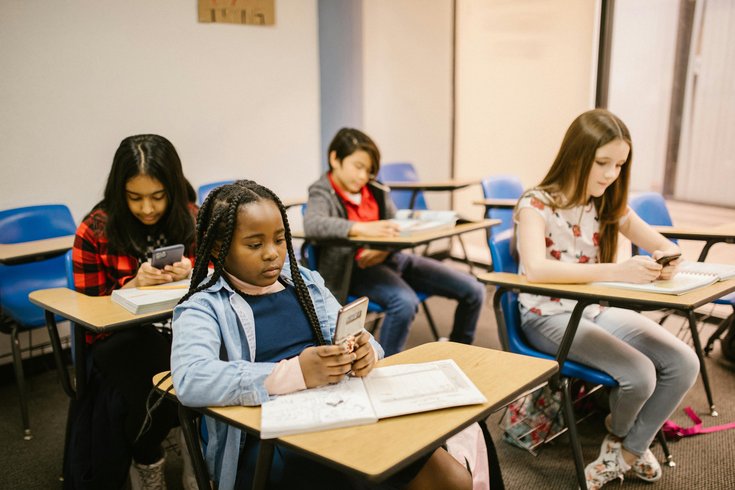
Preteens who increasingly use social media over multiple years score worse on reading and memory tests than those who consume little or no social media, a new study finds.
In case parents needed another reason to police their children's screen time, new research shows that social media use is hurting preteens' memory and reading skills.
A robust body of research has found an association between excessive use of social media and increased risk of depression, anxiety, sleep disturbance, impulsivity and body image among children and teens. Former U.S. Surgeon General Dr. Vivek Murthy was concerned enough about high rates of social media use among young people that last year he called for warning labels on social media platforms about the associated mental health harms.
The new study, published Monday in the Journal of the American Medical Association, adds to this evidence suggesting screen time can be harmful to children. It found that children 9-13 who increasingly used social media over several years scored lower on reading, memory and cognitive assessments than children who used very little or no social media at all.
"Our results suggest that the early adolescent brain may be particularly sensitive to social media exposure, underscoring the importance of age-appropriate introduction to these platforms and careful monitoring," Dr. Jason Nagata, an associate professor of pediatrics at the University of California-San Francisco who led the study, said in a release.
The research involved more than 6,500 children in the Adolescent Brain Cognitive Development Study – a long-term national study of brain development.
The researchers tracked the children's performance on memory and reading from a baseline at ages 9-10 and again one and two years later from 2016 to 2020.
Nearly 37% of the children started with low-level social media use, but were consuming more than one hour a day by age 13. And 6% consumed up to three hours per day. About 58% of the children engaged with social media very little or not at all.
Children who used social media for one hour a day scored one to two points lower on reading and memory assessments. Children with the highest rates of social media use scored four to five points lower on the tests.
"Because cognitive skills such as reading and memory are fundamental to learning, even small declines across a large population could have meaningful educational implications," Nagata said.
The findings underscore the need for more stringent age restrictions and monitoring of social media use in young people, the researchers said.