






October 03, 2025

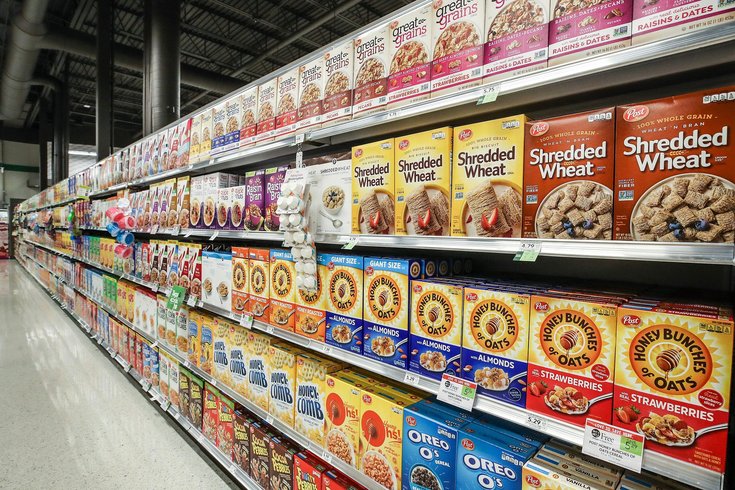 Michael Clevenger/USA TODAY NETWORK via Imagn Images
Marketing of ultra-processed 'diet' food to Gen X women has made them particularly susceptible to addiction to products high in added sugars and salts, a new study says.
People now in their 50s and 60s were the first generation to grow up when ultra-processed foods – often high in fats, salt and added sugar – became widely available.
New research shows that this segment of the population, which mostly includes Generation X, exhibit signs of addiction to ultra-processed food products including fast food, soda and sweets. The study, published Monday in the journal Addiction, has implications for public health, because many children are now exposed to ultra-processed food from a very young age.
"If current trends continue, future generations may show even higher rates of ultra-processed food addiction later in life," said the study's senior author, Ashley Gearhardt, who leads the Food and Addiction Science & Treatment Lab at the University of Michigan. "Just as with other substances, intervening early may be essential to reducing long-term addiction risk across the lifespan."
For the study, researchers conducted phone and online surveys of a nationally-representative group of more than 2,000 people in the United States, ages 50 to 80.
The findings showed that 21% of women and 10% of men ages 50 to 64 had strong cravings for ultra-processed foods, repeated unsuccessful attempts to cut down on consumption and withdrawal symptoms. They also avoided social activities because of fear of overeating – all symptoms meeting clinical criteria for addiction.
The percentage of older adults, ages 65 to 80, that met the criteria for addiction to ultra-processed foods was much lower: 12% of women and 4% of men.
A possible explanation for why Gen X women reported higher rates of addiction to ultra-processed food than Gen X men might be due to marketing of processed "diet" foods – such as low-fat cookies and microwavable meals – to women of that generation, the researchers said.
The study also found an association between social isolation and ultra-processed food addiction. People who reported their mental health status as "fair" or "poor" were also at higher risk for addiction to ultra-processed foods.