






June 04, 2026

 Michael Clevenger/USA TODAY NETWORK via Imagn Images
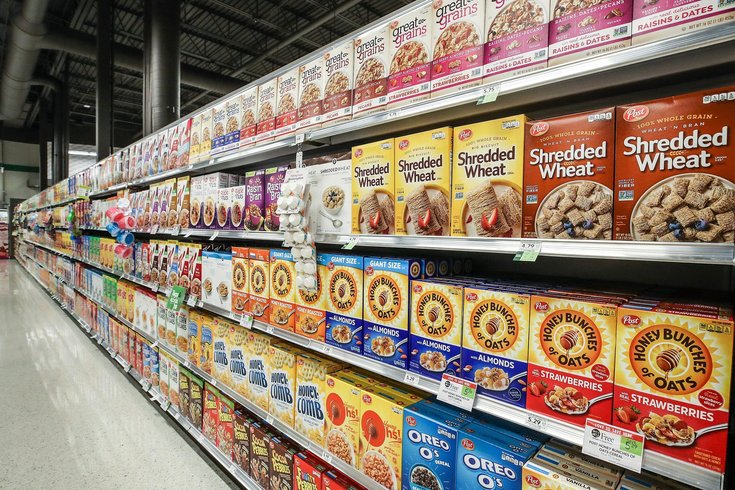
The majority of Americans want the federal government to place more stringent restrictions on ultraprocessed food manufacturers, a new survey says.
Most Republicans and Democrats agree that the federal government should do more to crack down on ultra-processed foods and feel that regulations proposed by the Make America Healthy Again movement don't go far enough.
That's according to a nationally-representative survey of 2,000 adults published Wednesday in a special edition of the American Journal of Public Health. The journal is dedicated to research relating to foods loaded with added sugars, salt and other additives.
MORE: Trump's new Medicaid work requirements come at huge cost to states, opponents say
Most people from both sides of the political aisle support more stringent regulations on ultra-processed foods, the survey found, with 77% saying they want "large warning labels" on ultra-processed food packages. Additionally, 64% want restrictions on the marketing of ultra-processed foods to children, and 87% want the government to test synthetic food additives before they can be used in food products.
Health and Human Services Secretary Robert F. Kennedy Jr. has made the dangers of ultra-processed foods and artificial dyes a major focus of his Make America Healthy Again campaign. But Kennedy's official report, released in September, avoided actual regulation of such products. It said the U.S. Food and Drug Administration would focus on developing a definition of "ultra-processed foods" without banning ingredients until further review.
Some food manufacturers have responded to pressure from Kennedy by pledging to eliminate certain food dyes, but candy manufacturers are holding out.
"People are fed up with a food system that makes unhealthy products cheap, convenient, and unavoidable, while leaving families to shoulder the health consequences," said Ashley Gearhardt, a food researcher at the University of Michigan. "Families are asking important questions about how food is made, marketed, and regulated, and how they can be a part of change."
Gearhardt is part of a team of U.S. scientists that started a consumer-education movement called FedUp! It includes a website that provides information about how consumption of ultra-processed foods can lead to chronic disease, including type 2 diabetes, obesity, cancer and depression. The campaign was launched in conjunction with the publication of 17 studies and reviews about foods high in additives in the July issue of the American Journal of Public Health.
One of the new studies found that people with diets high in ultra-processed foods tended to have higher body weight, blood pressure and cholesterol. They also were at higher risk of having diabetes, metabolic syndrome and cancer — as well as a "slightly higher" risk of dying during the study period.
"The findings suggest ultra-processed-food factors beyond nutrients — such as changes to foods' cellular structure, loss of beneficial chemical compounds, additives, and chemicals from packaging — may create health risks not addressed by traditional nutrition metrics or policies," said the study's senior author, Dariush Mozaffarian, cardiologist and director of the Food is Medicine Institute.
Other studies published Wednesday found links between the consumption of ultra-processed foods and an increased risk of dementia in older adults and highlighted how U.S. tobacco companies have purchased food manufacturers and then used strategies for selling tobacco to maximize profits from unprocessed foods.
"The food environment has been engineered to prioritize corporate profits over public health," said Laura Schmidt, a health policy expert at the University of California San Francisco, who is also part of FedUp! "People deserve honest information about how these products are designed, marketed, and made so difficult to avoid."