





February 12, 2026

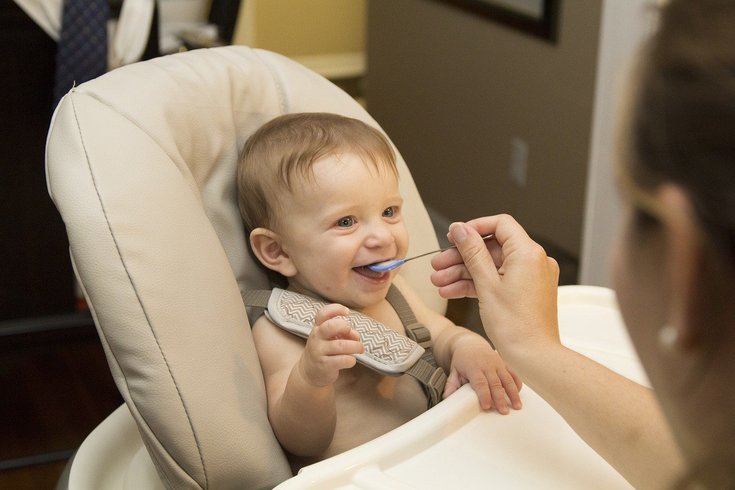 YaleHealth/Pixabay
Artificial additives showed up in 71% of more than 650 baby food products tested in a new study. Researchers say the use of emulsifiers, thickeners and food enhancers in these products is 'concerning.'
More than 70% of baby food products sold in U.S. grocery stores are ultra-processed, with additives being the most common ingredient, a new study found.
Ultra-processed foods contain one or more ingredients not found in nature or in a kitchen — additives such as emulsifiers, high fructose corn syrup and artificial colors and flavors. They are often high in calories with high amounts of saturated fats and sugars. Ultra-processed foods have been linked to obesity, heart disease and premature death.
Previous research showed that baby food sold by U.S. grocery chains did not meet nutritional guidelines for infants and toddlers set by the World Health Organization and contained too much added salt and sugars. Another study found that ultra-processed foods accounted for 70% of children's daily calorie intake.
The new study, published Tuesday, builds off of that research, finding that 71% of baby foods contain additives classifying them as ultra-processed foods. It did not name the stores or products tested.
"Infancy is a critical time for shaping lifelong eating habits — introducing babies to foods that are overly sweet, salty and packed with additives can set the stage for unhealthy preferences that last beyond childhood," Elizabeth Dunford, a nutrition professor at the University of North Carolina, said in a news release. "We also know that high (ultra-processed food) consumption in children is linked to heart and metabolic conditions later in life, so it's best to try and avoid introducing them in the first place."
Using FoodSwitch – an app created to help consumers worldwide make more informed nutrition decisions – the researchers analyzed the content of 651 baby foods sold in 10 U.S. grocery chains. The researchers used the NOVA Food Classification system to assess the level of processing the products underwent.
The most common additives were flavor enhancers, which appeared in 36% of the tested products. Thickeners were next, at 29%, followed by emulsifiers (19%) and artificial colors (19%).
"With emulsifiers, thickeners and stabilizers potentially altering gut function, and synthetic colors affecting behavioral outcomes in children, the high use of cosmetic additives found in U.S. baby foods is particularly concerning," Dunford said in the release.
The ultra-processed baby foods contained two times more added sugar than alternative products. More than 70% of infant and toddler snack pouch foods — products often marketed as pureed fruit or vegetables — were ultra-processed, the researchers found.
New U.S. dietary guidelines recommend avoiding highly-processed foods and call on parents to remove all added sugars from their children's diets – goals that are difficult to achieve with the broad range of ultra-processed baby products on the market, the new study suggested. These products are often less expensive and more convenient that whole food products.
"Clearer labeling and specific regulation for baby foods are urgently needed to help parents make more informed choices," Dunford said. "Until then, checking the ingredients list is one of the best ways to spot the highly processed options – if you see an ingredient you don't recognize, then it's probably best to put it back on the shelf."