






April 28, 2026

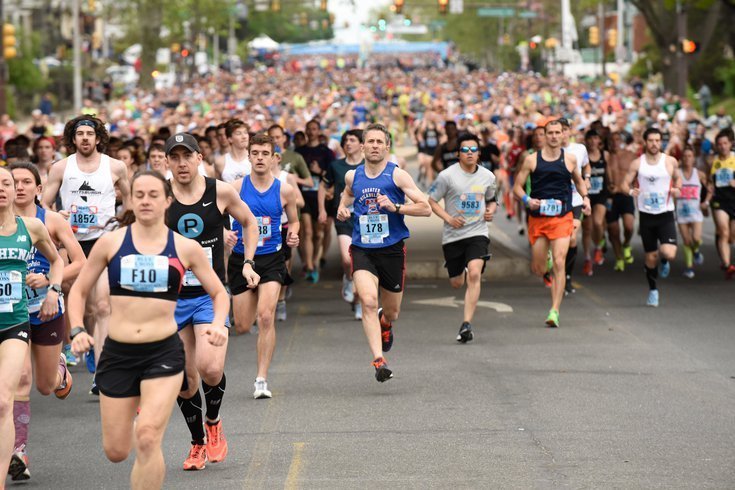 Provided Image/Philadelphia Parks and Recreation
In the final week before the Broad Street Run, runners should tweak their diets, increase their sleep, ease up on mileage and ensure their gear is ready for race day.
With less than a week before the Independence Blue Cross Broad Street Run begins, there's no time for runners to meaningfully amend their training plans or alter their routines. But there are some pre-race preparations they can tweak to help ensure they run their best.
The annual 10-mile race starts at 7 a.m. Sunday in North Philadelphia. With the race only a few days away, it's time for runners to ease up on their mileage, adjust their carbohydrate intake, maximize rest and check their gear.
MORE: A 'barbaric' problem in American hospitals is only getting bigger
Here's what the final days before the race should entail.
In the weeks before a marathon or half-marathon, many runners increase the amount of carbs in their diets to add energy. But at 10 miles, the Broad Street Run is shorter than both of those events.
Intense carb loading isn't recommended for races that take less than three hours to complete, and it can cause stiffness when racing for less than 90 minutes. So diet adjustments this week are dependent on how quickly runners expect to finish the race.
Most runners won't need to eat carb-heavy meals, but they may benefit from slightly increasing the amount of carbs on their plates. That doesn't mean adding more calories, but swapping one food group for another. For instance, it could mean eating larger portions of rice or pasta while slightly decreasing protein intake. Runners who anticipate taking longer than 90 minutes to finish the Broad Street Run may want to add a serving a carbs during the day or gradually increase their carb portions as race day nears, Sanford Health recommends.
On the day before the race, runners should eat a larger lunch and have a smaller dinner to make sure the body has enough time to digest their food.
To avoid dehydration on race day, runners should keep their fluids up in the days ahead. Some may choose to caffeine taper by leaving out coffee, tea and energy drinks until race day in hopes of getting a boost. But because people respond differently to caffeine, deviating from one's normal routine may cause adverse side effects that make running more difficult, and some of the benefits of caffeine tapering are inconclusive, Runner's World reports. With that in mind, runners shouldn't attempt to change their caffeine consumption this week unless they know it works for them, Trailrunner advises.
Runners following a training schedule have started tapering to reserve their strength for Sunday's race. But it's important to keep the body lightly active. That will keep running muscles in shape without putting any strain on them. Rest will heal small tears and restore glycogen, Catalyst Fitness says.
The Broad Street Run's official 12-week training plan suggests mixing slower runs with days off. Tuesday and Wednesday should include easy, 3-mile runs. Thursday should be an easy 2 miles, with Friday and Saturday reserved for rest.
Experts recommend skipping strength training exercises in the week before a race, because they may cause additional soreness. Workouts should be limited to bodyweight exercises or mobility activities.
Self-care practices may help keep the body relaxed. This may entail anything from foam rolling to light yoga to hitting the sauna to watching movies or reading. What's best for the body is different for each person, but it's important to stick to things that are beneficial for running and to avoid any new routines could lead to unexpected results, the Running Channel says.
Sleep is particularly important in the days before the race, because it allows the body can rebuild muscles and restore itself. Elite athletes largely subscribe to the 10-hour rule — sleeping 8 hours at night and 2 during the day. That's not achievable for many Broad Street runners, but they should try to get as many hours of sleep as possible while adhering to their normal routines.
Good sleep hygiene is important for runners to get as much shut-eye as possible. This includes avoiding screens before bed, using curtains to block out light and reducing noise with a sound machine. During the day, VeryWell Health recommends staying away from alcohol, spicy foods and, in the afternoon, caffeine. Runners traveling to Philadelphia for the race should bring earplugs and a sleep mask to maximize rest.
The excitement around the event might make it hard for some to rest properly, especially on the night before the day. However, the most important sleep actually occurs two nights before the race, so any tossing and turning on the eve of the race shouldn't impact performance too much.
This is not the week to change up shoes, because there's not enough time to break in a new pair. But existing ones can be spiffed up ahead of Sunday.
VeryWell Health recommends removing insoles and rinsing them out, plus shaking out any dirt or dust that may have collected inside. Runners should give their laces a close look to make sure they aren't fraying, and get new ones if they are.
Make sure pants, shirts and sports bras and any other attire are freshly laundered. Double-check socks don't have any holes that could cause blisters or affect performance. There's still time to get a new pair, if necessary, but make sure it's the same design as the old ones.