






January 05, 2026
 Joshua A. Bickel/Imagn Images
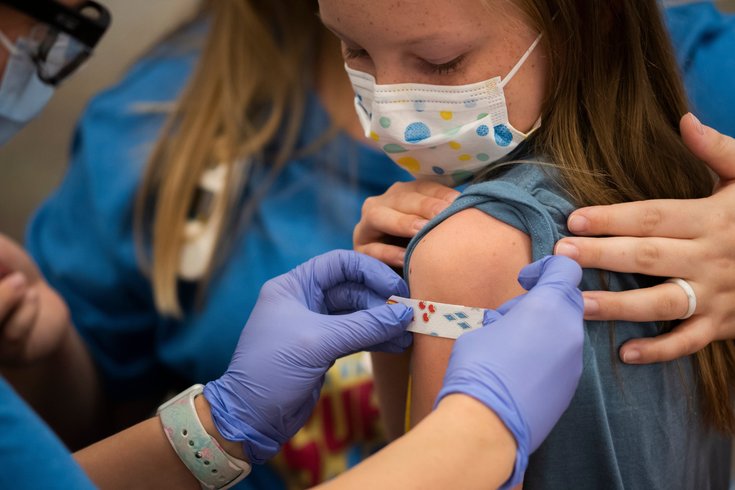
The CDC now recommends only 11 childhood vaccines, dropping six immunizations from the previous schedule. The updates follow a December directive from President Donald Trump.
The Trump administration announced Monday that it is cutting the number of recommended childhood vaccines — a move that drew widespread criticism from medical experts.
The Centers for Disease Control and Prevention had previously suggested 17 immunizations for all U.S. children. But under the new vaccine schedule, it will recommend just 11. Additional shots against diseases like respiratory syncytial virus, known as RSV, will be recommended only for high-risk groups. COVID-19 and flu vaccines should be administered based on "shared clinical decision making" between parents and doctors, health officials said.
The updated guidelines still recommend shots and boosters against measles, mumps, rubella, polio, tetanus, pertussis, diphtheria, Haemophilus influenzae type B (Hib), human papillomavirus (HPV), pneumococcal disease and varicella (chickenpox). Immunizations against RSV and dengue, as well as early shots against hepatitis A, hepatitis B and meningitis, will only be suggested for high-risk kids. (Recommendations for the dengue vaccine didn't change.)
Rotavirus, COVID-19 and influenza vaccines will fall into the third "shared clinical decision making" category, along with later childhood doses of hepatitis A, hepatitis B and meningitis shots.
Though the guidelines are not a mandate, states typically follow CDC recommendations when setting vaccine requirements for school attendance.The move achieves a long-standing goal of Health Secretary Robert F. Kennedy Jr. to alter the pediatric vaccine schedule.
The changes follow a Dec. 5 directive from President Donald Trump, which instructed the federal health department and CDC to "review best practices from peer, developed countries" like Denmark, which includes only 10 shots on its childhood vaccine schedule, and potentially update the U.S. guidelines based on the "scientific evidence that informs those best practices."
U.S. health officials offered no such evidence in the announcement, however, pointing only to the total number of vaccines on the CDC schedule relative to other nations. The updates drew swift and sharp criticism from leading medical associations like the American Academy of Pediatrics, which called the changes "dangerous and unnecessary."
"For decades, leading health experts, immunologists, and pediatricians have carefully reviewed new data and evidence as part of the immunization recommendation process, helping to keep newborns, infants, and children protected from diseases they could be exposed to in the United States as they develop and grow," AAP President Dr. Andrew Racine said in a statement. "Today’s decision, which was based on a brief review of other countries’ practices, upends this deliberate scientific process.
"At a time when parents, pediatricians and the public are looking for clear guidance and accurate information, this ill-considered decision will sow further chaos and confusion and erode confidence in immunizations. This is no way to make our country healthier."
The American Medical Association likewise said it was "deeply concerned" by the dropped recommendations and urged federal health agencies to "recommit to a transparent, evidence-based process."
"Changes of this magnitude require careful review, expert and public input, and clear scientific justification," Dr. Sandra Adamson Fryhofer, a trustee for the AMA, said in a statement. "That level of rigor and transparency was not part of this decision. When longstanding recommendations are altered without a robust, evidence-based process, it undermines public trust and puts children at unnecessary risk of preventable disease."
Follow Kristin & PhillyVoice on Twitter: @kristin_hunt
| @thePhillyVoice
Like us on Facebook: PhillyVoice
Have a news tip? Let us know.