






October 08, 2025

 Cnordic Nordic/Pexels
Common inhalers prescribed for asthma and COPD emit significant amounts of greenhouse gases, contributing to climate change, a new study shows.
Asthma inhalers are critical for delivering small amounts of medication to people's lungs to improve breathing and help prevent asthma attacks, but those tiny puffs add up to a large environmental cost – the equivalent of emission from about 530,000 cars per year.
That translates to more than 2 million metric tons of carbon emissions from inhalers for asthma and chronic obstructive pulmonary disease annually for the past decade, according to a study out of UCLA and published Monday in the Journal of the American Medical Association.
"Inhalers add to the growing carbon footprint of the US healthcare system, putting many patients with chronic respiratory disease at risk," Dr. William Feldman, a pulmonologist at the David Geffen School of Medicine at UCLA and the study’s lead author, said in a news release. "On the upside, there is tremendous opportunity to make changes that protect both patients and the planet by utilizing lower-emission alternatives."
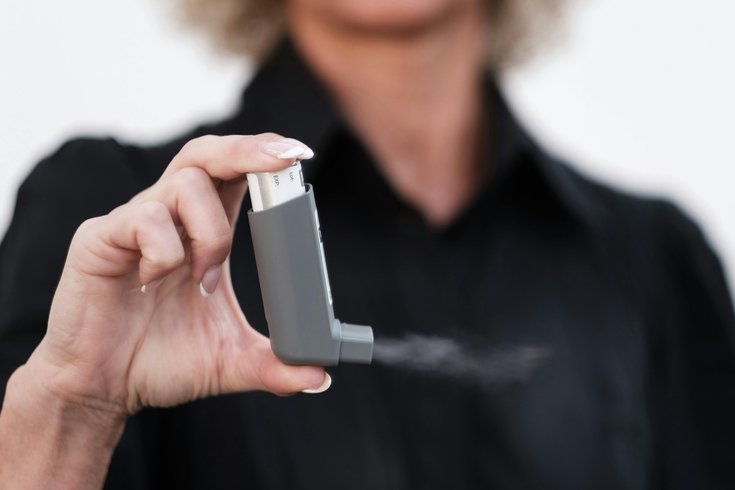
Three types of inhalers are used to treat asthma and COPD, including pressurized metered dose inhalers, dry powder inhalers and soft mist inhalers. Metered dose inhalers, also called puffers, require a propellant to deliver medication to the lungs. With dry powder inhalers, people pull the powdered medication into the lungs with deep breaths. Mist inhalers turn liquid medication into a breathable aerosol, according to the Cleveland Clinic.
Metered dose inhalers – the most frequently prescribed in the United States – are the worst for the environment, because their fluorocarbon propellants trap heat in the atmosphere and accelerate global warming. The Environmental Protection Agency banned the use of the aerosol sprays containing fluorocarbons for cleaning products, hair sprays, deodorants, pesticides and other non-essential, non-medical products in 1978.
The study found metered dose inhalers approved for asthma and COPD were responsible for 98% of emissions from all inhalers prescribed in the United States between 2014 and 2024.
The researchers used a national drug code database to track the different types of inhalers prescribed over the 10-year period.
Countries including the United Kingdom, Sweden and Canada now mostly prescribe dry powder and soft mist inhalers, which do not use propellant agents. The higher cost of dry powder and soft mist inhalers may be partly to blame for the over-prescription of metered dose inhalers in the United States, a study found last year.
Pricing and patenting strategies for more environmentally-friendly inhalers will be the focus of future research, according to the new study.
"A key first step to driving change is understanding the true scale of the problem," Feldman said. "From there, we can identify what's fueling these emissions and develop targeted strategies to reduce them — benefiting both patients and the environment."