






December 10, 2025

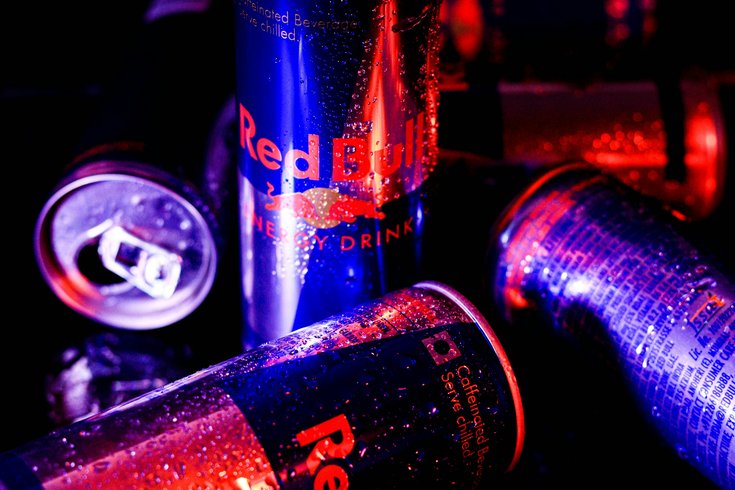 Sanket Sawale/Pexels.com
Drinking too many energy drinks puts people at increased risk of stroke, anxiety, depression, mood swings and high blood pressure, scientists say.
Everything in moderation is a common, and common sense, aphorism.
But apparently one man didn't get the memo when it came to his energy drink consumption.
The man regularly drank eight energy drinks a day – more than three times the recommended daily intake of caffeine – causing him to suffer a minor stroke due to seriously elevated blood pressure, according to the case study published Tuesday.
"I obviously wasn't aware of the dangers drinking energy drinks were causing to myself," the man said in the case report. "I have been left with numbness (in my) left-hand side hand and fingers, foot and toes even after eight years.”
The man, 50, was in general good health when he began experiencing unexplained weakness and numbness on the left side of his body. He also was showing symptoms of ataxia including poor balance, clumsy movements and slurred speech.
During an emergency department visit in Nottingham, England, where he lives, doctors found that his blood pressure was soaring, at 254/150 mm/Hg. Normal blood pressure runs at around 120/80 or lower.
The man's blood pressure steadied after he received medication to lower it. But when he went home, his blood pressure soared again.
It wasn't until doctors conducted brain scans that they discovered the man had suffered a stroke in the thalamus, a part of the brain involved in regulating movement and sensory information.
Upon further questioning, the man told doctors about his excessive energy drink consumption, according to the report.
The report did not cite the brand of energy drink the man consumed.
"There is regular publicity about health effects of alcohol and smoking, but little about the increasingly prevalent modifiable lifestyle trend of energy drink (ED) consumption," the doctors said in the report.
The scientists behind the case report called for increased regulation of energy drinks and noted that doctors should ask young patients with unexplained symptoms of stroke and high blood pressure if they consumed energy drinks.
Energy drinks are products that typically contain high levels of caffeine and sugar, and are marketed as boosting energy and alertness.
Popular brands, such as Red Bull, Monster Energy, Ghost and Celsius, have caffeine levels ranging from about 90 mg to 200 mg. The U.S. Food and Drug Administration recommends adults consume no more than 400 mg of caffeine a day.
Energy drinks also often contain legal stimulants, such as taurine and guarana, which can increase energy and alertness but also increase blood pressure and heart rate, according to a 2023 study.
"On their own, these ingredients may have some health benefits — like supporting brain and heart health, improved energy and focus and antioxidant and anti-inflammatory benefits — but when you combine them with the additional caffeine and added sugars in an energy drink, it can be a recipe for disaster," registered dietitian Amber Sommer told the Cleveland Clinic in 2024.
For healthy people, drinking the occasional energy drink isn't likely to be harmful, experts say, but regular consumption can increase the risk of adverse health effects, particularly for people with existing medical conditions.
The combination of high sugar and caffeine in some energy drinks can cause people to experience a buzz followed by a crash, Harvard Health warns.
People with diabetes should probably avoid energy drinks because of their combination of sugar and caffeine, Sommer said.
As the new case study illustrates, downing too many energy drinks can put people at risk of stroke. Energy drink consumption also puts people at risk for anxiety, depression, mood swings, rapid heart rate and other adverse health effects.
Mixing energy drinks and alcohol also heightens the risk of binge drinking, drunk driving and unwanted or unprotected sex, the CDC reports.
Another concern has been how the surge in popularity of these drinks has led to increased caffeine consumption among children and adolescents.
Pediatric exposures to energy drinks increased by more than 24% from 2022 to 2023, America's Poison Centers found.
Additionally, emergency department visits relating to adverse effects or overdoses from caffeine in energy drinks more than doubled from 2017 to 2023 among children ages 11 to 14, a 2024 report found.
Resulting dangers for young people include anxiety, insomnia, dehydration and heart complications, the CDC says.