






January 29, 2026

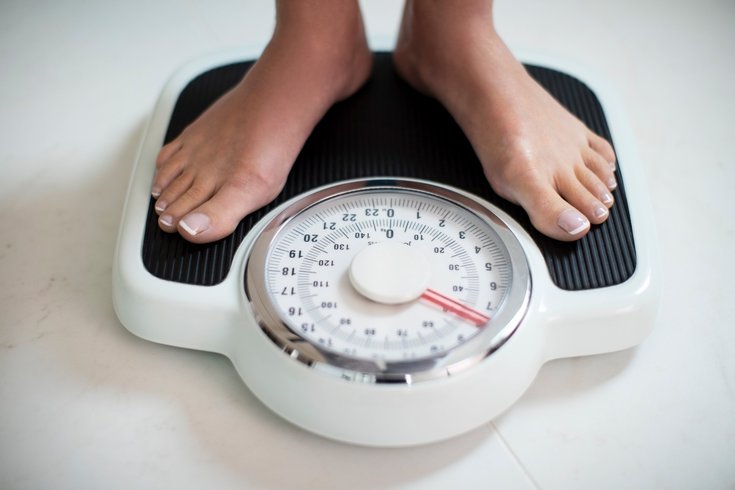 Source/Image licensed from Ingram Image
New research shows 19% of Americans were obese in 1990, compared to 42.5% in 2022. An estimated 46.9% U.S. adults will have obesity by 2035.
Obesity is linked to many serious health complications, including type 2 diabetes, heart disease, some cancers, kidney disease and mental health issues.
Now, a study projects that nearly half of the U.S. population – about 126 million people 20 and older – will have obesity by 2035. The research was published Wednesday in JAMA.
"Obesity is currently a major public health threat and that this is likely to continue," co-author Catherine Johnson, a research scientist at the University of Washington, told ABC News. "Public health strategies that deliver real results, as well as increased and equitable access to clinical interventions, are urgently needed to make a difference.”
Using data culled from nearly 11 million people, the researchers found that just over 19% were obese in 1990, compared to 42.5% in 2022. The researchers estimated that 46.9% of people in the U.S. will have obesity by 2035.
These figures were lower than findings from other research that used a definition of obesity that goes beyond body mass index. For instance, researchers from Harvard and Mass General Brigham found that obesity rates had risen as high as 70% of Americans in a study published last fall.
"We already thought we had an obesity epidemic, but this is astounding," Lindsay Fourman, a Mass General endocrinologist and one of the lead researchers on that study, said in October. "With potentially 70 percent of the adult population now considered to have excess fat, we need to better understand what treatment approaches to prioritize."
Confusing the issue, another study based on the Gallup National Health and Well-Being Index identified a decline in obesity rates to 37% in 2025. Part of the drop was due to an increase in the use of GLP-1 medications for weight loss. That jumped to 12.4% in 2025 from 5.8% in 2024, researchers found.
That study, and the one published Wednesday, used the standard definition of obesity as having a BMI of 30 or higher.
The new study found that women under 35 had the largest jump in obesity. This "earlier onset of obesity" is "concerning," the researchers wrote.
But the researchers noted limitations of the study, including the definition of obesity based solely on BMI. They noted BMI "does not directly measure body fat or account for body composition and may incorrectly estimate the amount and location of adipose tissue versus lean muscle mass, with some evidence that these errors may differ by demographic group."
The research comes less than a month after the federal government released new dietary guidelines advising Americans to eat more protein, including meat and full-fat dairy, and highly processed foods, added sugars and refined carbohydrates.