





September 24, 2026
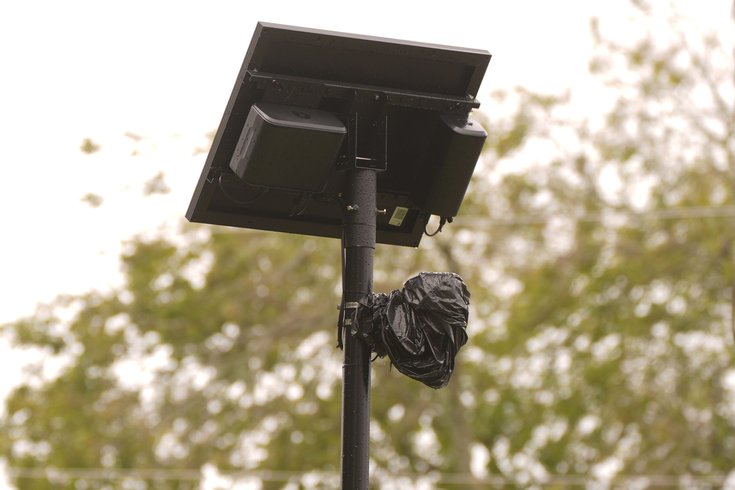 Nadia Zomorodian/USA Today via Reuters Connect
Philadelphia City Council is urging state officials to pass bans or regulations on automatic license plate reader cameras, such as the one above in Volusia County, Florida.
City Council approved a resolution Thursday calling on the state to either ban or develop stronger regulations for automatic license plate reader cameras.
ALPRs capture images of license plates using AI technology and store them on public or private databases that can be searched by law enforcement. At least nine bills have been introduced at the state level to either restrict use of the cameras, which are largely operated by a company called Flock, or ban them completely due to privacy concerns, Spotlight PA reported.
The legislation came from both Democrats and Republicans, and Gov. Josh Shapiro (D) and his opponent in the upcoming election, State Treasurer Stacy Garrity, have supported bans. This week, Philadelphia City Council expressed its distaste for the technology, too, unanimously approving a resolution asking Harrisburg politicians to pass their proposed legislation.
"Emerging technologies are a huge risk to our civil liberties if left unchecked," said Councilmember Rue Landau (D-At-Large), who introduced the resolution. "Flock is just one of the names we've seen in this space, but there are more out there and more coming. This technology is widely unregulated, unknown and unencumbered. It's here, and Harrisburg needs to step up to the plate to control it."
Critics, as the resolution notes, have claimed that the cameras are invasive because they're on constantly, instead of being triggered by a certain action like speeding or running a red light. While Flock said it doesn't directly work with U.S. Border Patrol and Immigration and Customs Enforcement, it has reportedly allowed both agencies access to its network through local law enforcement to track people.
Nikki Grant, the co-director of the Amistad Law Project, an advocacy group that fights mass incarceration, testified during the public comment portion of Thursday's meeting in support of the resolution.
"ALPRs are not just high-tech traffic cameras, they are deeply invasive AI-powered tools that contract, store and share data about individual's travel patterns, and that data can be accessed by any law enforcement agency or private company for the right price," Grant said. "They are also inaccurate 10% of the time, which has meant that innocent people have been pulled over and subject to police violence because of these tools. Until they are banned and this tech is regulated, there are no real safeguards to stop ALPRs from being used by known bad actors."
While it's unclear exactly how many ALPRs are operating in Philadelphia since there is little regulation, crowd-sourced data shows anywhere from 256 to 656 around the city. Last week, Philadelphia police confirmed they don't operate Flock cameras, but said they have other ALPRs in stationary locations and vehicles.
Council President Kenyatta Johnson declined to answer whether the city operates any cameras. When asked if the city could introduce its own regulations, he called it a "state-related issue at this particular point in time."