




October 05, 2026

 Source/Image licensed from Ingram Image
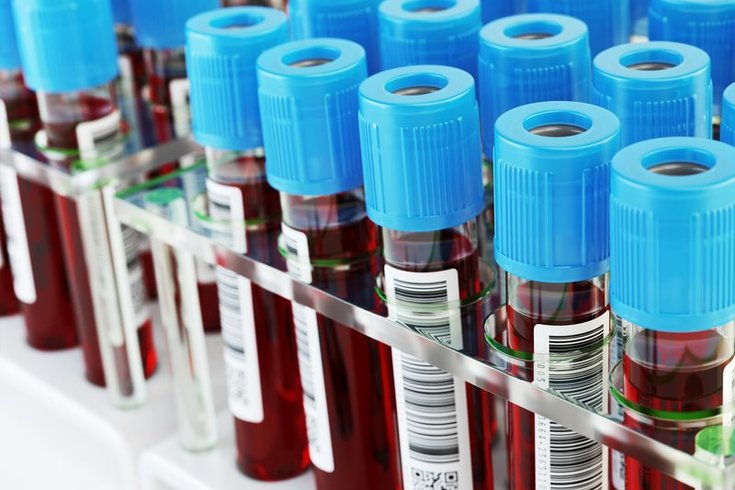
Patients have long been advised to fast before blood tests. But new research suggests that might not always be necessary.
Fasting the night before a blood test might not be necessary after all, new research suggests.
For most blood tests, patients are asked not to eat or drink anything except water for 8-12 hours beforehand to ensure accurate results. But a new study, published in September, found that for many blood tests, eating or drinking beforehand does little to impact the results.
The study looked a 9.7 million test results from 101,000 patients who either fasted for less than 8 hours, fasted for 8-12 hours or fasted 12-plus hours.
Certain tests, including those measuring glucose levels and triglycerides, were affected when patients fasted for less than 8 hours. But that wasn't true of most other tests. And fasting for more than 12 hours showed no advantage.
"Our comprehensive analysis suggests that most routine blood tests are minimally affected by short-term fasting, and fasting beyond 12 hours was not associated with meaningful additional differences for any test examined," the authors wrote. The data was collected from a hospital in South Korea between 2021 and 2023.
"These findings suggest that traditional rigid fasting requirements may warrant reconsideration in favor of a more nuanced, analyte-specific approach to pretest preparation."
The laboratory service LabCorp notes that fasting guidelines have begun to shift. For decades, the standard was to fast 8-10 hours before a cholesterol test. That's because triglycerides rise after eating and elevated triglycerides can adversely impact the accuracy of low-density lipoprotein levels. But large-scale studies have since shown that cholesterol levels remain mostly stable even after someone has eaten. This has reduced concerns about the need for fasting.
"For most routine screenings, the standard approach has shifted toward non-fasting testing, which means fewer early morning appointments and fewer patients putting off tests because of the inconvenience of fasting," LabCorp notes.
In 2009, Denmark implemented non-fasting for lipid tests and found results to be reliable. The American College of Cardiology and the American Heart Association also have noted that fasting before a lipid test isn't required for regular heart risk assessments.
However, fasting is still important for patients with very high levels of triglycerides, genetic disorders or if initial results from non-fasting tests show abnormal results.