



October 08, 2026
 Thom Carroll/For PhillyVoice
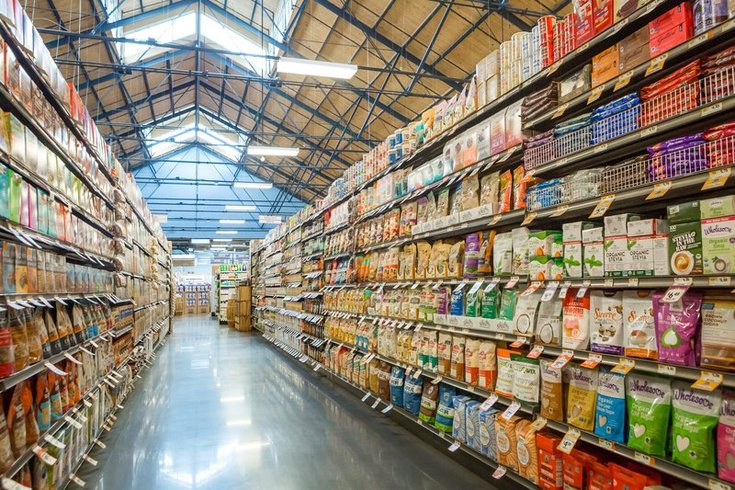
New proposals in Philadelphia City Council want to address grocery affordability in the city. The legislation includes establishing a food insecurity office and holding hearings on a city-run grocery store.
After federal policy changes led to thousands of Philly residents losing access to food benefits, a new bill package proposed in City Council is attempting to untangle some of the city's food insecurity issues.
Council President Kenyatta Johnson (D-2nd) introduced the Philly Food Affordability Act on Thursday, which includes legislation to create an Office of Food and Nutrition Security and a Food and Nutrition Security Advisory Commission. It also features resolutions to hold hearings on grocery prices and consumer habits and the possibility of creating a community grocery store.
The governing body on Thursday approved the legislation for both of the hearings. The other bills and resolutions were introduced and will be voted on at a later date. If approved by City Council, the question of whether to create the office would be put to voters in May and would go into effect on Jan. 1, 2028.
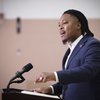
"We're working to make sure that no children go to bed hungry, no children go to school hungry and at the end of the day, come up with an overall long-term, comprehensive strategy to address the issue of food insecurity," Johnson said. "We're the second largest poorest city, so we have a high level of individuals living in poverty here, and one of those key areas is access to high-quality food."
The legislation follows new federal work requirement changes for SNAP that were in President Donald Trump's One Big Beautiful Bill. The change led to roughly 98,000 Pennsylvanians no longer qualifying for the program. That legislation also cut spending on the program as a whole. As of Oct. 1, states are now responsible for the majority of administration costs for SNAP, instead of splitting it evenly with the federal government.
The newly proposed food security office would be led by a mayor-appointed director who would need City Council approval and at least five years of "senior leadership experience." It would be responsible for developing food insecurity and nutrition strategies for the city, coordinating food access initiatives including work with private-sector partners and collecting data on food insecurity. Legislation introduced Thursday included setting a salary for the director.
The commission, on the other hand, would act in an advisory capacity to the mayor and the proposed office to provide additional strategies to alleviate food insecurity. It would also require a change to the charter and would submit recommendations to both the mayor and the council president by Dec. 31, 2029.
The first hearing would examine the feasibility of creating a grocery store supported by the city to keep the cost of food down. While it might sound unusual, Johnson said it's not so different from large retail grocery stores receiving state funds.
"It's just making sure that those who live in high-poverty areas can have high-quality food at a certain price point, and that's something we want to definitely explore as well," Johnson said. "It's no different than some of our largest retail grocery stores receiving (Redevelopment Assistance Capital Program) from the state to allow them to build. So, some people think the concept is foreign, but I can name several different grocery owners here in Philadelphia who receive RACP funding."
The plan echoes a similar one proposed in New York City by Mayor Zohran Mamdani, however Johnson said he was influenced by Newark, New Jersey, which opened five city-run grocery stores in September.
Per the package, additional hearings will be held to look at how grocery stores use consumer data, surveillance technologies and algorithm-based and dynamic pricing, and how those practices impact affordability and consumer privacy.