





September 02, 2026

 Mark Zaleski/USA Today Network via Reuters Connect
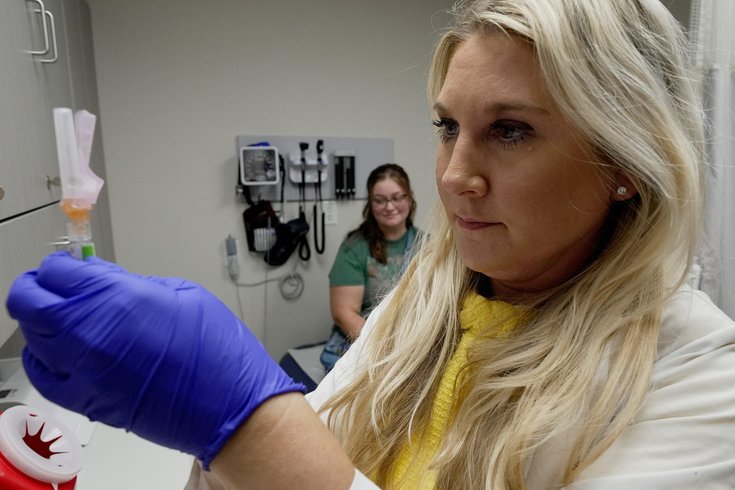
Several medical groups have released recommendations for influenza, COVID-19 and RSV vaccines for this fall. Above, a nurse practitioner prepares a flu shot during a clinic in Tennessee in August.
Health secretary Robert F. Kennedy's decision to fire the Centers for Disease Control and Prevention's vaccine advisory board last year has left Americans hanging in regard to vaccine recommendations heading into the fall and winter, when the spread of respiratory viruses spike.
The advisory board makes recommendations on influenza, COVID-19 and RSV vaccines, and the CDC uses this information to guide the American public. But a federal judge has ruled that Kennedy acted unlawfully by replacing the 17-member committee with his own picks, some of whom have been critical of vaccines, including COVID shots.
As a result of this tumult, a group of medical organizations has released recommendations to help Americans make informed vaccine decisions for the upcoming respiratory season. The guidance stems from a review of the most recent evidence about flu, COVID and RSV vaccines. It was conducted by the Vaccine Integrity Project, based at the University of Minnesota, in conjunction with the American Medical Association.
The vaccine recommendations based on that review were released Wednesday by the American Academy of Pediatrics, American Academy of Family Physicians, American College of Obstetricians and Gynecologists, and the Infectious Diseases Society of America. The Vaccine Integrity Project also has an interactive tool on its website to help healthcare providers, scientists and the general public find studies that were reviewed.
"This year's review confirms that the newest evidence remains consistent with research showing these immunizations reduce the risk of hospitalization and death among the people most likely to experience serious disease," Michael Osterholm, executive director of the Vaccine Integrity Project, said in a news release.
Last fall and winter, there were 390,000 hospitalizations and 24,000 deaths related to the flu, CDC data shows. COVID-19 caused 140,000 to 240,000 hospitalizations and 15,000 to 42,000 deaths. And respiratory syncytial virus, or RSV, caused 170,000 to 340,000 hospitalizations and 25,000 deaths.
Here are the medical groups' 2026-27 vaccine guidelines:
• All children 6 months and older
• Adults 19 to 64
• Adults 65 and older should receive a high dose of vaccine, if possible
• Pregnant women and people who are immunocompromised should get vaccinated, but avoid the nasal spray version
• Health care professionals
• Children ages 6-23 months and children 2-18 years in certain risk groups or if desired
• Adults 19-64
• Adults 65 and older, followed by a second dose 6 months later to boost protection
• Pregnant women and people who are immunocompromised
• Health care professionals
• Infants 8 months and older — if no protection from RSV vaccine during pregnancy — and children 8-19 months in certain risk groups
• Adults ages 50-74 at increased risk of severe RSV should get a one-time vaccine
• Adults ages 75 and older should get a one-time vaccine
• Pregnant women should get a one-time vaccine between 32 to 36 weeks or their pregnancies, between Sept. 1 and March 1
• Adults 18 and older who are immunocompromised should receive a single dose
• Children 17 and under who are immunocompromised should consult with their healthcare providers before making a decision