






February 20, 2026

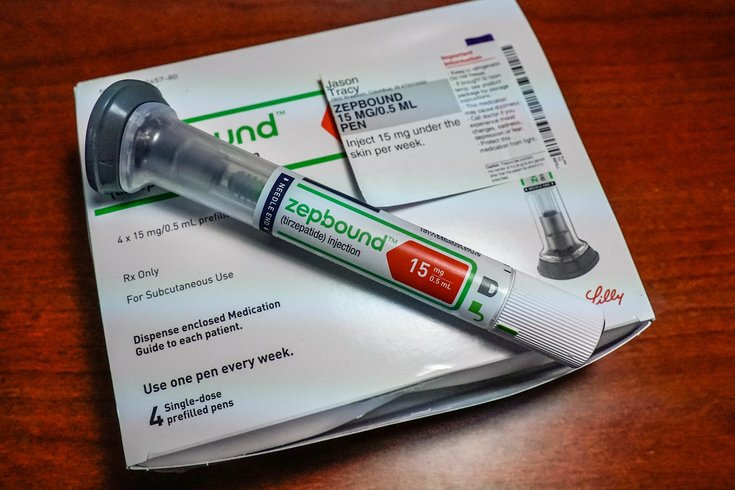 Michelle Pemberton/Imagn Images
GLP-1 weight-loss drugs, like Zepbound, are a positive development, but they do not eliminate the need for lifestyle modifications like diet and exercise, experts say. Making a permanent dent in Americans' weight crisis will take a combination of strategies.
Americans want to lose weight but continuously fall short. As I've chronicled in this column year after year, weight-loss and related goals like exercising more and eating better are among the top New Year's resolutions.
But change is in the air this year as demand for GLP-1 weight-loss drugs, like Ozempic, Wegovy, Mounjaro and Zepbound, is surging, particularly among older Americans, and studies are showing that climbing obesity rates may be slowing.
The timing is critical. According to the Centers for Disease Control and Prevention, obesity peaked at almost 42% of the adult population over 20 in 2020. In 2025, that percentage had dipped slightly to 40.3%. Gallup has found similar drops in obesity in its polling, with the biggest reductions among those ages 40 to 64.
That progress is impressive, but when the number of Americans who are classified as overweight are included, upwards of 70% of the population is affected. That's a dangerously high marker of American health risk.
Are GLP-1 drugs the answer to this crisis? As a public health proposition, this new class of weight-loss drugs is a positive development, but for those who may think that an injection, and now a pill, is a silver bullet that eliminates the need for lifestyle modifications like diet and exercise, think again. Experts say making a permanent dent in Americans' weight crisis will take a combination of strategies.
The Gallop survey shows the use of GLP-1 drugs grew from 5.8% in February 2025 to 12.4% last October. Usage rates for men and women each doubled, with women topping out at 15.2% and men at 9.7%.
These findings align with decreases in obesity, and are echoed by other studies.
A Rand report found nearly 12% of Americans have used a GLP-1 medication for weight loss, and another 14% said they are interested in doing so. The top users are adults 50 to 64, with women outpacing men. Among those 65 and older, use is a bit higher for men. But younger women, ages 30 to 49, are twice as likely than men to have used them.
Clearly, the research shows Americans believe that they need the help.
Most Americans believe that willpower alone is not enough to lose weight and keep it off — a position held by people regardless of their weight category, a Pew Research Center survey shows. Seventy-one percent of adults who classified themselves as very or slightly overweight said willpower alone is insufficient. This response dropped to 56% among those who considered their weight about right but jumped to 61% for those who considered themselves very or slightly underweight.
GLP-1 medications offer substantial weight loss, ranging from 15% to 21%, researchers from Mass General Brigham found. That's the good news.
However, the experts at Brigham are part of a loud chorus of medical experts emphasizing that the best results are achieved by teaming the use of GLP-1s with lifestyle changes that include diet and exercise.
GLP-1 drugs "represent a major breakthrough in obesity management," the researchers wrote in the study. "But lasting treatment requires integrating medication with individualized nutrition and physical activity interventions. This comprehensive approach optimizes sustained weight loss while mitigating side effects, preserving muscle mass, and limiting nutritional deficiencies."
A study by Italian scientists concluded that people risk regaining their lost weight when they rely solely on GLP-1 therapies. Matching the drug with exercise can help preserve muscle mass and sustain weight loss, the researchers said.
"Combining GLP-1 with structured lifestyle changes, especially increased protein intake and strength training, can mitigate muscle loss and enhance overall outcomes. As a result, future obesity management is likely to prioritize integrated approaches that combine pharmacotherapy with lifestyle interventions, rather than replacing lifestyle changes with medication alone," the researchers wrote.
Regular physical activity and attention to your diet can help boost the weight loss effects of GLP-1s, health experts say. In an article published by Eureka Health, Sina Hartung, of Harvard Medical School, offered some tips that can amplify the medication's effect and allow people to lock into successful long-term maintenance.
On diet, Hartung recommended that each meal include about 25% of calories from protein to improve satiety and preserve muscle. She suggested GLP-1 users get 30 grams of fiber each day to fight constipation, common side effect of the drugs. Fiber can be found in many vegetables, berries and oats. Hartung also recommended drinking 8-10 ounces of water daily with the addition of electrolytes to stay hydrated, avoid nausea, and keep the digestive system moving.
For exercise, Hartung advised two, 20-minute sessions each week of resistance training to maintain lean muscle mass during caloric deficit. To increase weight loss, she said 7,000-10,000 steps per day can help. And, consistent with CDC guidelines, she recommended at least 150-300 minutes per week of moderate activity to counter muscle loss and stabilize energy.
An alternative view on the GLP-1 phenomenon is offered by Ohio State University, which notes that there are ways to naturally stimulate GLP-1 in the body and forgo the use of the hormone. In short, researchers say there are certain foods and lifestyle factors that can naturally influence the stimulation of GLP-1. These include protein such as lean meat, poultry and seafood, healthy fats like olive oil, avocado and nuts, fiber through whole grains, fruits and vegetables, probiotics and fermented foods like yogurt and miso, and dark chocolate.
Your eating patterns, like eating during daytime hours and on a regular schedule, are important, as is eating slowly and taking smaller bites. Other factors include exercise, sleep quality and avoiding stress. Adhering to the discipline of this cadence may take a bit more effort but offers an alternative to the reliance on drugs.
While the evidence on the long-term impact of GLP-1 medications on obesity remains the focus of more research, there is no doubt that healthy practices are an essential element of any GLP-1 regimen. So, if you thought you could simply take a shot or swallow a pill and all would be good, think again. But with a little help from your GLP-1 and just a little bit of effort on your part, success is within reach. Go for it.
Louis Bezich, chief of staff to the co-CEOs at Cooper University Health Care, is author of Saving Men From Themselves: 20 Proven Tactics with a New Approach to Healthy Living for Men Over 50," and "Crack The Code: 10 Proven Secrets that Motivate Healthy Behavior and Inspire Fulfillment in Men Over 50." Read more from Louis on his website.