






October 28, 2026

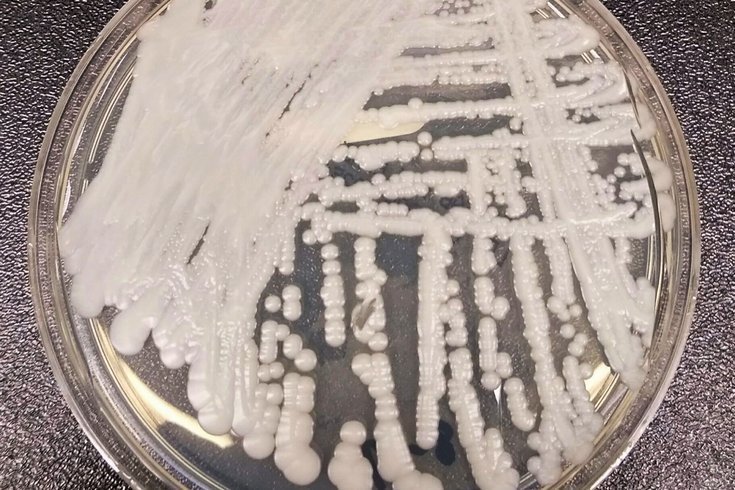 Shawn Lockhart/CDC
Germs resistant to medications are spiking, leading to 9.7 million infections and 51,000 deaths each year in the United States, a new CDC report says. Above, Candida auris, a drug-resistant fungus, is shown in a lab culture.
Germs that no longer respond to treatments developed to fight them, resulting in antibiotic-resistant infections, present an increasingly "urgent" public health problem – one that kills more than 1 million people worldwide each year, the Centers for Disease Control and Prevention says.
Antimicrobial resistance causes more than 9.7 million drug-resistant infections and more than 50,000 deaths each year in the United States, according to a report Tuesday from the CDC. That is a steep increase from 2.8 million infections and 35,000 deaths the CDC cited in its 2019 report.
MORE: Autism risk increases with greater prenatal exposure to wildfire smoke, study says
"These numbers are alarming by any measure but are particularly sobering when infectious diseases physicians connect real patients with these statistics in their everyday experience," Dr. Wendy Armstrong, president of the Infectious Disease Society of America, said in a news release. "Drug-resistant infections prolong hospital stays, drive up health care costs and make it increasingly difficult — and sometimes impossible — for doctors to safely provide care like cancer chemotherapy, organ transplants, hip and knee replacements, and other medical care and surgeries."
Armstrong urged Congress to pass updated legislation introduced in February that would revise the federal payment structure for the development of antimicrobial agents and spur programs supporting optimal use of medications currently available.
Many germs are not harmful to humans and are even helpful. But some germs – including bacteria and fungi – can cause serious infections. And these germs do not have to be resistant to every medication available to become a problem, the CDC explains.
Having to advance through multiple lines of medications to fight infections can have serious side effects for patients and impede medical advances that rely on effective infection control.
Also, some bacteria and fungi are now essentially resistant to all available medications.
The CDC noted in the new report that its methods of collecting and assessing data about antimicrobial resistance has changed since the 2019 report. The current findings relied on data from 2023.
The new report highlights five pathogens considered "urgent threats" and calls for "aggressive action." On this list are: Candida auris (C. auris), Carbapenem-resistant Acinetobacter, Carbapenem-resistant Enterobacterales and drug-resistant Neisseria gonorrhoeae.
C. auris, identified just a decade ago in U.S. hospitals, led to more than 4,500 infections in 2023. That's up nearly tenfold from 2019, when there were just under 480 cases, according to the report.
C. auris primarily impacts people in inpatient settings who are receiving treatment for complex health issues and often require invasive medical devices, such as feeding tubes. Because it spreads so easily in healthcare settings and can be asymptomatic, the CDC recommends screening any patients who may have been exposed to prevent further spread.
The report identified 13 other pathogens as "serious threats," requiring "prompt and sustained action. The CDC also cited two pathogens as "concerning threats" for "careful monitoring and prevention action," as well as a "watch list" of six other pathogens for monitoring as "potential threats."