






October 21, 2026

 Scott Utterback/USA Today Network via Reuters Connect
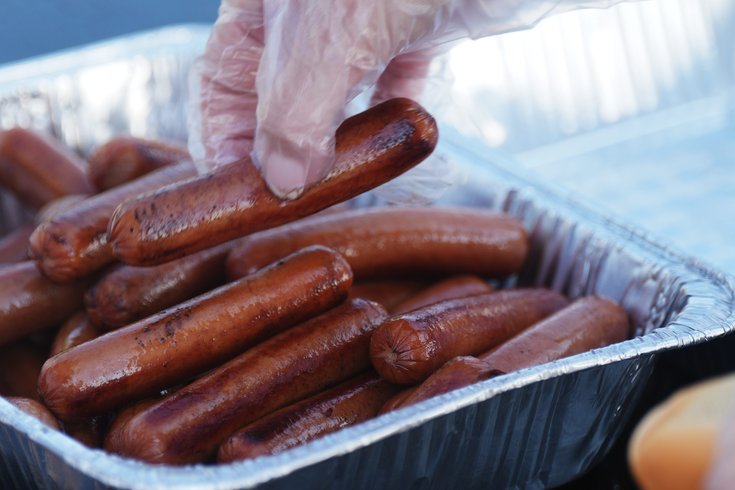
Ultra-processed foods include processed meats like hot dogs as well as whole-grain breads, yogurts and jarred pasta sauces. New research shows that some types of ultra-processed foods may increase colon cancer risk, while others may lower it.
Past research has suggested a diet high in ultra-processed foods puts people at greater risk of cancer, heart disease and early death. But a new study led by the National Institutes of Health challenges those findings, at least in regard to the impact ultra-processed foods have on colorectal cancer.
The study of 461,682 adults found no association between ultra-processed food intake and colorectal cancer over a 20-year period. The type of ultra-processed food, however, did make a difference. While ultra-processed sources of whole grains, fiber, calcium and dairy were linked to lower incidence of colorectal cancer, processed meats were associated with higher risk.
As the researchers explain in their paper, published in PLOS, these findings illustrate the difficulty of categorizing ultra-processed foods as uniformly healthy or unhealthy. The ultra-processed foods label is generally applied to any product with multiple additives or ingredients found in a lab, placing hot dogs, soda, yogurts and whole-grain breads under the same umbrella.
"Our results support a role for whole grain, fiber, dairy and calcium intake in (colorectal cancer) prevention that was not diminished by food processing level," the scientists wrote. "However, poor diet quality is a risk factor for (colorectal cancer) and dietary patterns that limit intake of added sugars, sodium, saturated fat, and refined grains and prioritize whole foods lower the relative risk of chronic disease-related mortality."
Participants in the study, who self-reported their eating habits to the NIH-AARP Diet and Health Study between 1995 and 1996, said ultra-processed foods made up 43% of their daily diets on average. That's slightly under the national mean of 55%, a figure that the Health & Human Services Department has been striving to lower under Robert F. Kennedy Jr.
Last year, the Food and Drug Administration announced plans to phase six artificial food dyes out of American food manufacturing. The Biden administration already had moved to ban red No. 3 dye, an additive linked to cancer in rats, before President Donald Trump assumed office.
Colorectal cancer rates have been rising by about 2% per year among young adults since the 1990s, with rates among adults under 40 growing by 3-4% annually. It is now the leading cause of cancer death among men under 50 and the second-leading cause of cancer death among women under 50, topped only by breast cancer.
Multiple factors influence colorectal cancer risk, including genetics, diet, lifestyle and environmental exposures, and scientists have not identified a specific reason for the increased prevalence of colorectal cancer in young adults.
Follow Kristin & PhillyVoice on Twitter: @kristin_hunt
| @thePhillyVoice
Like us on Facebook: PhillyVoice
Have a news tip? Let us know.