






September 01, 2026

 Diannie Chavez/USA TODAY NETWORK via Imagn Images
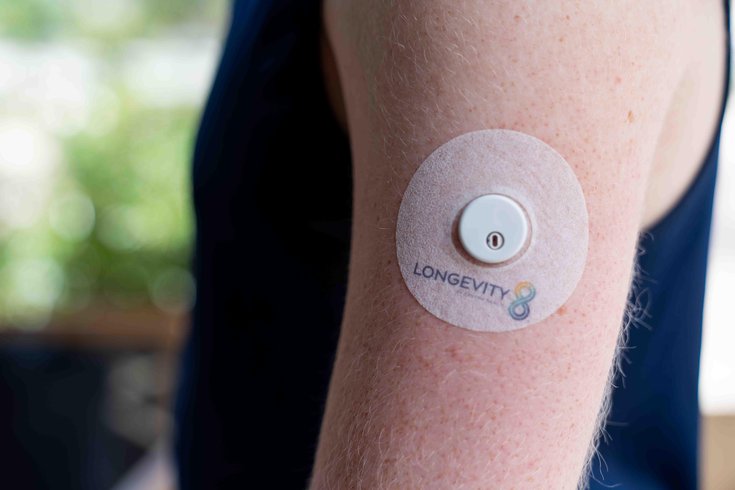
The number of type 1 diabetes cases in the United States is projected to rise by 37.6% by 2049, new research shows. Above, a continuous blood glucose monitor, which measures insulin levels.
The number of Americans with type 1 diabetes could increase by 500,000 by 2049, new research shows.
The study suggests that worldwide cases are expected to increase by 29%, from 9.4 million to 12.1 million, during that period. In the United States, type 1 cases are expected to rise by 37.6%, from 1.49 million to 2.05 million, though the Centers for Disease Control and Prevention suggests case numbers already have surpassed 2 million.
The study's findings, which are based on a new modeling method, were presented at the Annual Meeting of the European Association for the Study of Diabetes over the weekend.
The projected increase in type 1 diagnoses in higher-income countries like the United States, Australia and the United Kingdom is likely due to genetics and higher detection rates. Environmental changes also may play a role, researchers said, because they can increase the risk that a person experiences a viral infection or another health issue that can trigger type 1 diabetes or speed up its progression.
Most people living with type 1 diabetes live in higher and middle-income countries. But some of the worldwide case numbers are expected to come from lower income countries as access to testing, insulin and glucose monitoring, which boosts survival rates, increases.
However, the study also projects the number of type 1 diabetes-related deaths worldwide will rise from 361,383 in 2025 to 537,621 in 2049.
The prediction model used in the study was developed by scientists at the Steno Diabetes Center Odense in Denmark. Unlike previous predictors, researchers said they accounted for historic patterns in insulin availability, including the year insulin was introduced to a country, as well as current case numbers, survival rates and the prevalence of type 1 diabetes among different age groups.
"We estimate a rising global (type 1) burden, underscoring the need to continue to improve access to insulin and quality of care, particularly in low-resource settings," the authors said in a statement. "Our prevalence estimates are lower than existing estimates from other sources ... mainly because of more conservative assumptions about survival in people with (type 1), particularly at older ages and in low-income and middle-income countries."
There are two types of diabetes.
Type 1 is an autoimmune disorder in which the immune system attacks the cells that make insulin. It primarily occurs in young people, but it can develop later in life, as well. Scientists don't know how to prevent it or exactly what causes it, but it can be treated with insulin. Physical activity and a healthy diet make managing type 1 diabetes easier.
Symptoms of type 1 diabetes include extreme hunger and thirst, fatigue, blurred vision, slow-healing cuts and bruises, and weight loss despite a decreased appetite. People are advised to contact their healthcare providers if they experience any of these symptoms.
Type 2 is much more common, making up about 95% of cases. It occurs in people who can produce insulin, but their cells don't respond to it well. Unlike type 1, it can be prevented or delayed with lifestyle changes. Symptoms can persist for years without being noticed, the CDC says. It is detectable via a blood test.